Refrigerated Transport: Key in the Logistics of Sensitive Products
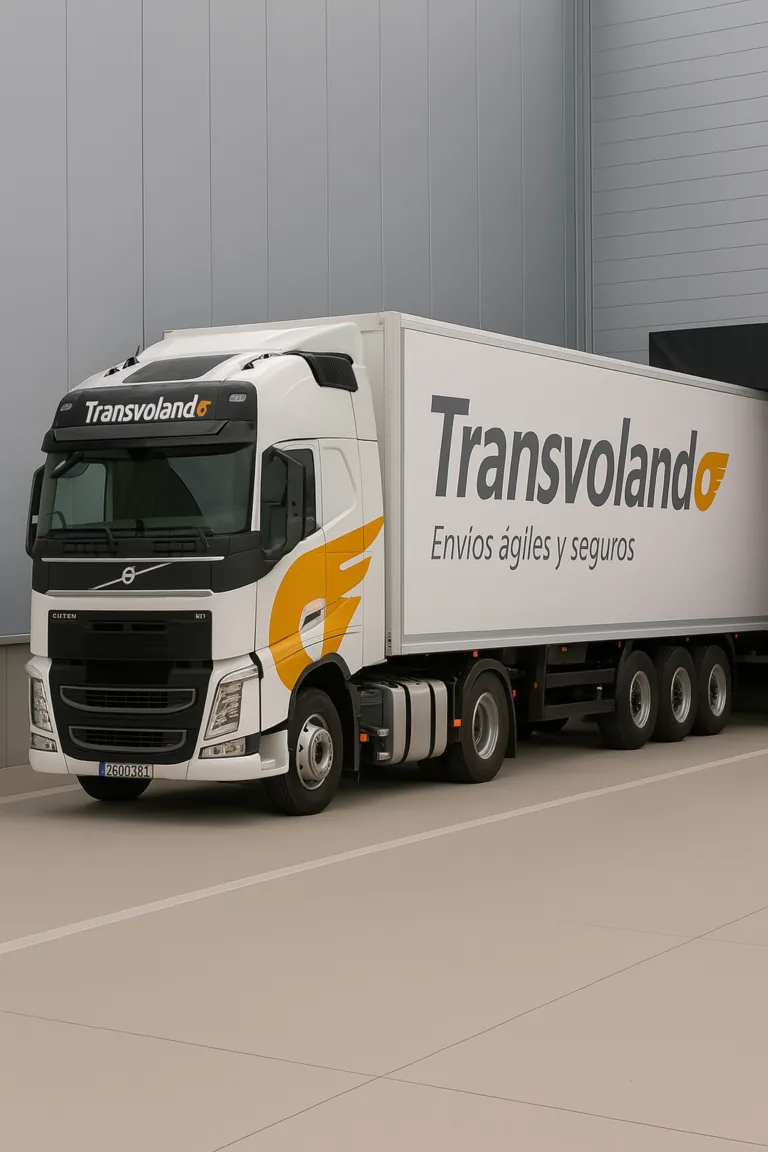
In recent years, refrigerated transportation has been increasing its growth exponentially, due to the new processes that have been added in this sector and thanks to refrigerated logistics. So, what does refrigerated transportation consist of? Refrigerated transport is that which carries out a shipping with some needs specific controlled temperature, that is, it has to be at a certain temperature so that the products arrive in perfect condition at their destination. Certain vehicles already come with built-in refrigeration, that is, they are responsible for maintaining and transporting all products or merchandise at the most optimal temperature possible throughout the route.What is the cold chain in refrigerated transport?
The cold chain is about transporting products that are quite sensitive to temperature within a supply chain and that must carry out a specific method of refrigeration and thermal packaging. Refrigerated transport also aims to protect and offer security to all the products that are transported in each shipment of goods. For example, depending on the level of perishables that are going to be carried in the shipment, a specific shipment can be made from one point to another. The possibility of being able to transport perishable foods generates a great economic growth and development, which is currently done at the national and international.Types of vehicles used in refrigerated transport
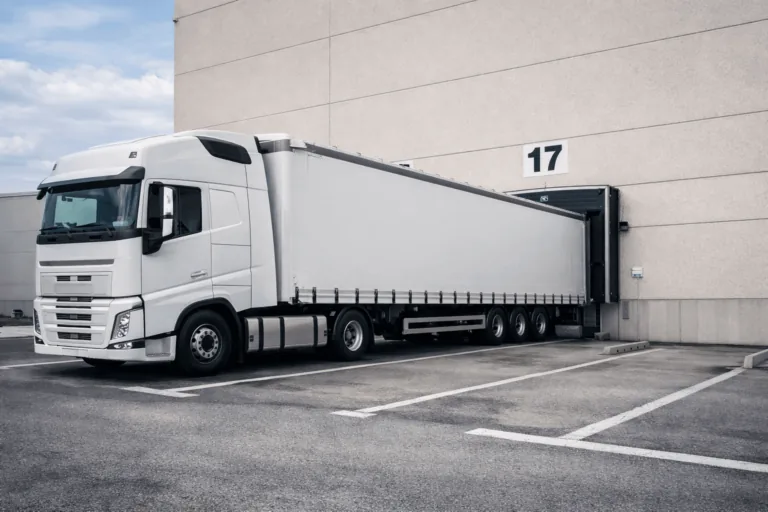
Special reference must be made to the security of the merchandise and its control to be able to carry out a correct transfer. All these measures are regulated in the Agreement on the International Transport of Perishable Goods and on Special trucks. Special trucksThis was approved in Geneva in the 70s. The following are considered refrigerated transport vehicles: Isothermal vehicle: This type of vehicle has an insulated roof, walls, doors and floor, as it helps filter the temperatures from outside and inside the vehicle itself.- Isothermal vehicle: This type of vehicle has an insulated roof, walls, doors and floor, as it helps filter the temperatures from outside and inside the vehicle itself.
- Refrigerated vehicle: It is similar to the previous one, but it has its own cold source. What does this mean? This means that it regulates the temperature inside the vehicle, reaching up to -20 ºC.
- Refrigerated vehicle: This vehicle has a constant cold production device that regulates individually or collectively. The temperature can be regulated constantly and can range between -12 and -20 ºC.
- Heating vehicle: With this vehicle we refer to its own heat source, capable of maintaining a constant temperature that does not drop below 12 ºC.
Main goods transported under controlled temperature
With this type of temperature-controlled transportation, many companies ship merchandise with refrigerated transportation to meet their needs. The sectors in which they mainlyFull Load Transportation and Road Transportation
Refrigerated transport in Spain has evolved with advanced technologies that guarantee the cold chain at all times. The transportation of Full loads offers efficiency and security, ideal for large volumes. By road, routes are optimized and vehicles equipped with intelligent refrigeration systems are used, ensuring the quality of perishable products such as food and drugs. A key solution for today's logistics.Advantages of transporting full loads
Full truckload transportation offers greater supply chain efficiency, reducing costs and delivery times. In Spain, this modality guarantees the integrity of the refrigerated merchandise, maintaining the temperature constant without interruptions. In addition, it optimizes routes and resources, minimizing the environmental impact. Ideal for perishable products, it ensures freshness and quality, adapting to the current demands of the logistics market. A key solution for companies that prioritize efficiency and sustainability in road transport.Road transport: efficiency and safety in logistics
Refrigerated road transport combines advanced technology and optimized logistics practices to guarantee the cold chain. Vehicles equipped with intelligent refrigeration systems and real-time monitoring ensure the quality of perishable goods. Efficiency is maximized with planned routes and preventative maintenance, while seguridad It is reinforced with agile loading and unloading protocols. This evolution allows for fast, sustainable and reliable delivery, adapted to current market demands.Key factors when hiring a refrigerated transport company
When hiring a company that offers refrigerated transportation services, it is very important to pay attention to the following points:- Make sure that the unit is cooled prior to charging and that the temperature inside the vehicle is regulated
- Check that the merchandise is packaged and correct before shipping
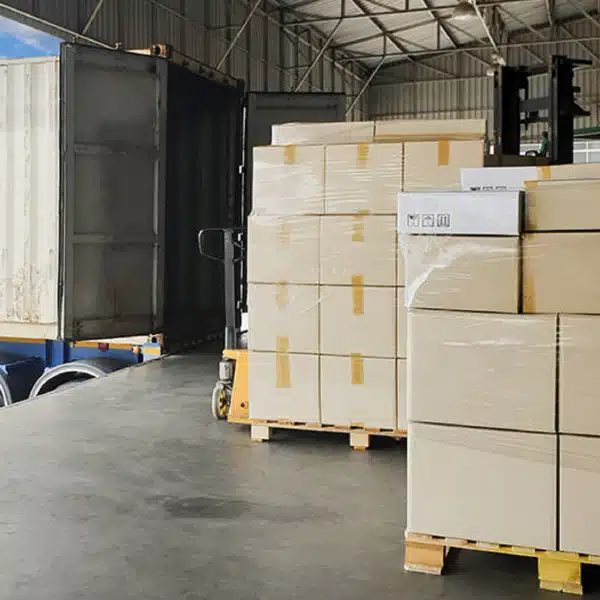
- Load the merchandise into the vehicle as soon as possible so as not to break the cold chain and avoid leaving the doors open for a long time.
Innovations and Safety in Refrigerated Transportation
Refrigerated transportation is evolving with technologies such as advanced telemetry, which monitors temperature in real time, and eco-friendly refrigeration systems that reduce emissions. Artificial intelligence optimizes routes, guaranteeing punctual deliveries and lower fuel consumption. In addition, state-of-the-art insulating materials are implemented to maintain the cold chain. These innovations not only improve efficiency, but also ensure the quality and safety of perishable goods in today's logistics.Request your quote in less than a minute.Frequently Asked Questions about Refrigerated Transport
What types of refrigerated transport exist and at what temperature does each operate?
Four standard ATP categories (Agreement on International Carriage of Perishable Foodstuffs): 1) IR (Insulated Refrigerated): 0°C to +12°C — fruit, vegetables, dairy. 2) FRC (Refrigerated C): down to -20°C — standard frozen goods. 3) FRA (Refrigerated A): down to -30°C — deep-frozen (industrial ice cream). 4) Pharmaceutical goods: 2°C-8°C controlled with continuous temperature monitor. The choice depends on product sensitivity and GDP/HACCP obligations.
How much more does refrigerated transport cost compared to standard transport and why?
Typical surcharge: 25-45% on the standard transport rate for the same route. Reasons: 1) Specialised vehicle (2-4× higher purchase cost). 2) Extra fuel for the refrigeration unit (15-20% more consumption). 3) Mandatory annual maintenance and ATP certification. 4) Driver with specific training. 5) Asymmetric return ratio: fresh loads don’t always have a return load. For recurring volume, an annual refrigerated contract brings the surcharge down to 15-25%.
What GDP/HACCP obligations does my business have when transporting pharmaceutical or food products?
GDP obligations (Good Distribution Practice — RD 782/2013): 1) Certified vehicle with validated temperature calibration. 2) Continuous temperature logging throughout the journey (digital data logger). 3) Contingency plan for refrigeration breakdown. 4) Batch and expiry traceability. 5) GDP-trained staff. HACCP (food): additionally, unbroken cold-chain traceability, documented. AEMPS and AESAN inspect carriers regularly. Make sure your agency holds both certifications.
What happens if the refrigeration unit fails en route and the cargo suffers cold-chain breach?
Standard procedure: 1) Driver triggers protocol: notifies the office, finds a specialist workshop en route. 2) If the repair takes more than 2h, cargo is transferred to a backup vehicle (the agency must have one nearby). 3) Document the minimum/maximum temperature reached. 4) Receiver decides whether to accept or reject the cargo by nature (dairy tolerates 2°C drift; fresh meat does not). 5) Extended CMR claim by declared value of the loss. Without all-risk insurance, you recover at most €21/kg damaged.
Is refrigerated groupage cost-effective or is full FTL the only sensible option in refrigerated transport?
Refrigerated groupage exists but is comparatively more expensive than dry groupage: 1) Reefer FTL: ideal above 12-15 pallets, minimum 24h lead time, best cost per kg. 2) Reefer groupage: option for 1-12 pallets with daily departures on main corridors (Madrid-Barcelona, Madrid-Valencia, Madrid-Seville). Surcharge versus dry groupage: 35-50%. 3) Mixed cargo (refrigerated + frozen) in the same vehicle: only possible with a movable temperature-keeping bulkhead. Ask your agency for a modal analysis.
Need part-load / groupage?
Your pallets ride with other consignments. Save the full-lorry cost without missing your delivery date.