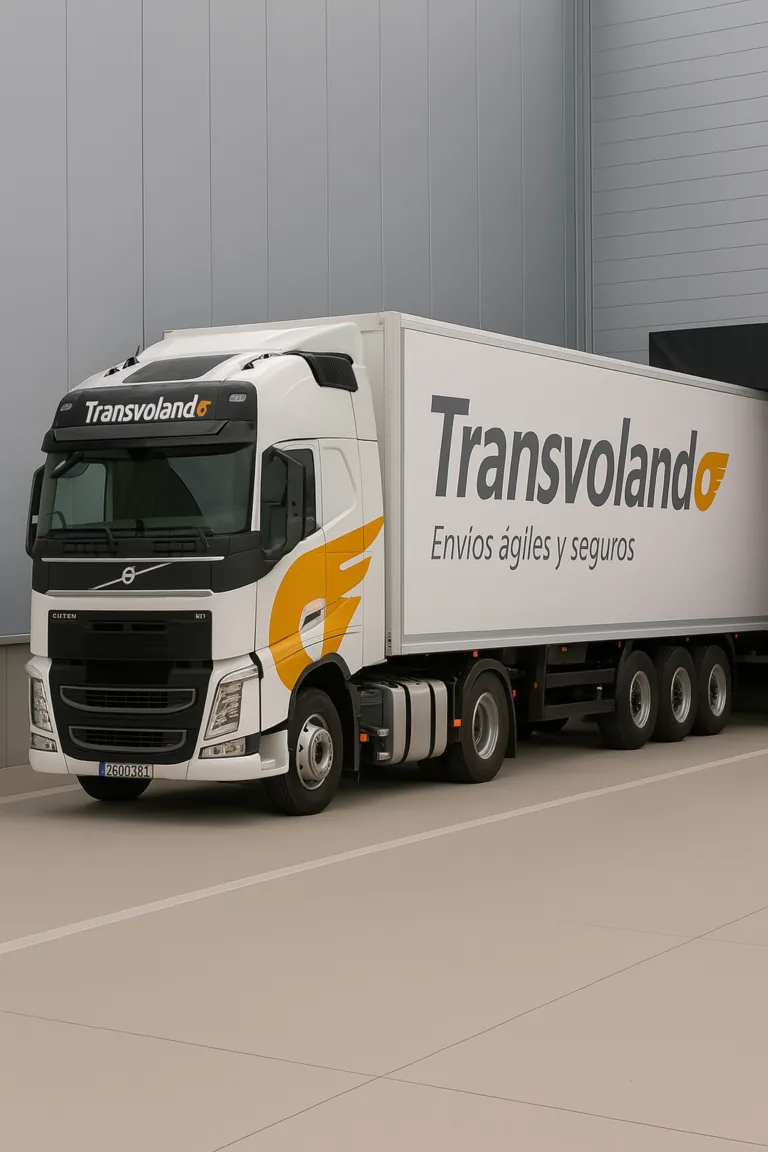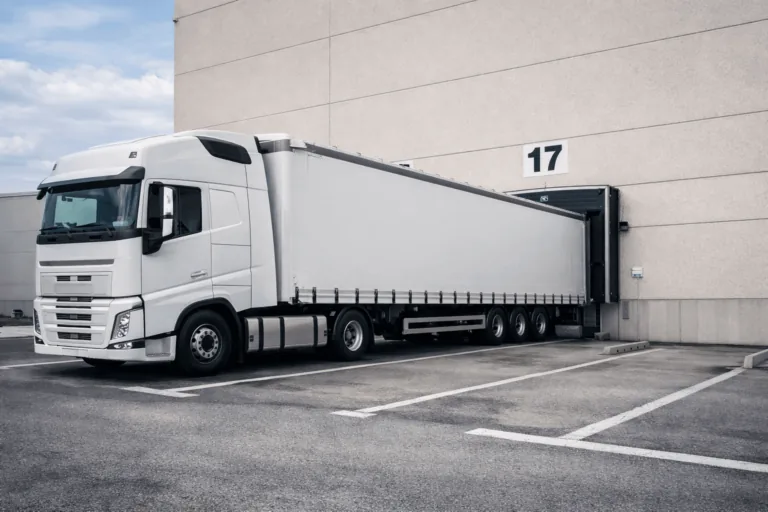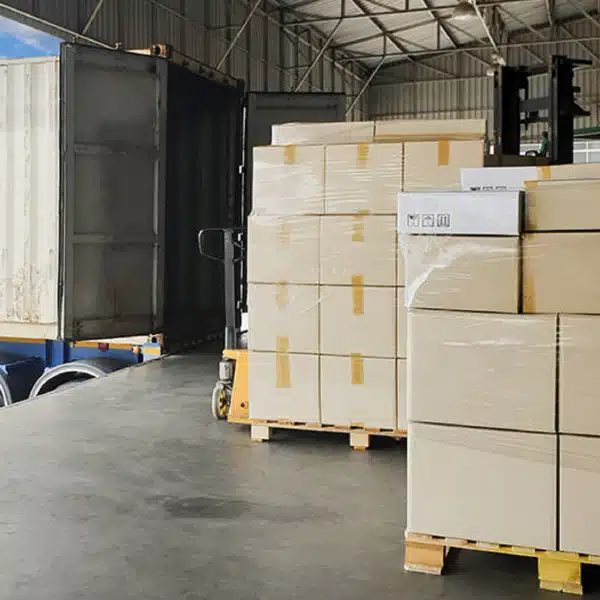
In the world of transportation, safety is a fundamental pillar, especially when we talk about a special transportation service. This type of service requires compliance with rigorous measures and specific protocols to guarantee the protection of passengers, cargo and fleet on each journey. At Transvolando, we understand that safety begins long before a vehicle puts its wheels on the road, which is why you know the safety measures for the special transportation service.
Learn about the security measures that guarantee reliable special transportation for our fleet.
Before each trip, our fleet goes through a thorough inspection and maintenance process. This process includes detailed technical inspections of each vehicle, in which the good condition of the brakes, tyres, steering system and other key components is verified. Likewise, our staff performs periodic checks of the electrical and lighting systems to ensure that they are working correctly.
Furthermore, in Transvolando We implement additional safety protocols for the protection of both drivers and passengers. Each driver receives constant training in safe driving practices, as well as in handling emergency situations, which is essential to guarantee a reliable and safe special transportation service. We ensure that each driver is prepared to respond to any eventuality.
Key benefits of special transportation service for events
The transporte especial offers a wide range of benefits for events, as it adapts to the specific needs of the client and the environment in which the event will take place. Below we break down some important aspects of this service.
What is special transportation and why is it important?
The special transportation service is designed to cover transportation needs outside of regular services. This includes transportation for large events, such as concerts, trade shows, conventions or corporate activities. The importance of this service lies in its ability to offer flexible and personalized logistics solutions, adapting to both the type of cargo and the necessary routes and times. In addition, it guarantees the transfer of passengers or merchandise with rigorous planning that minimizes risks.
Success stories: events that benefited from the transportation service
Our service has been key in large events where precision and punctuality are vital. For example, at music festivals, special transportation service has enabled the safe transportation of valuable equipment and instruments. Likewise, at fairs and exhibitions, we have facilitated the necessary logistics for the assembly and disassembly of heavy materials, guaranteeing that each element arrives in optimal conditions.
Tips to make the most of special transportation
To ensure that your event is a success and that the transportation service meets all your expectations, it is important to consider some key points when hiring a special transportation service.
How to select the appropriate special transportation service for your event?
Each event has different characteristics and needs. Therefore, it is crucial to evaluate aspects such as the type of cargo or passengers to be transported, the distance and the conditions of the route. At Transvolando, we advise our clients in selecting the appropriate vehicle for each situation, from buses for personnel transportation to trucks with refrigeration systems for products that require temperature control.
Common mistakes when using special transportation services and how to avoid them
One of the most frequent mistakes is not planning the hiring of the special transportation service sufficiently in advance. This can lead to setbacks in the logistics of the event and increase the risk of unforeseen events. It is also important to ensure that the contracted service complies with all current safety regulations and that the provider has experience in the type of transfer required.
In conclusion, Transvolando's special transportation service is distinguished by its commitment to safety and efficiency on each trip. From preventive inspections to exhaustive maintenance of our fleet, we are committed to offering a safe transportation experience adapted to your needs.
Let us help you plan the ideal transportation for your next event.
Check out our special service options today!
Frequently Asked Questions about Special Transport Safety Measures
What mandatory safety measures are taken before starting a special transport operation?
Five mandatory pre-trip checks: 1) Route Viability Study (RVS): verify clearances at bridges, tunnels and overpasses. 2) Vehicle technical inspection (kerb weight, suspension, brakes, specialist tyres). 3) Loading and securing plan (correct lashing, chocks, certified tensioners). 4) Driver briefing with contingency plan. 5) Communication with authorities (Guardia Civil, councils along the route). Without these checks, the risk of accident rises and the insurance becomes void.
What mandatory safety equipment must a special transport vehicle carry?
Minimum mandatory kit: 1) Visible yellow flags front and rear of the vehicle. 2) Lateral signage with flashing amber lights (V-2). 3) Retroreflective SPECIAL TRANSPORT signs front and rear. 4) Extra triangles and signalling cones. 5) Load-securing wedges/chocks. 6) Active digital tachograph. 7) Mandatory GPS for certified fleets. Guardia Civil checks this on random patrols. Missing any item: fine €600-3,000.
How is safety managed when something unexpected happens on the route (breakdown, obstacle)?
Standard protocol: 1) Safe stop on the shoulder or a clear area with V-16 beacon plus triangles. 2) Immediate notification to the agency operations centre. 3) If mechanical breakdown: specialist en-route workshop (not a standard garage). 4) If obstacle (low bridge, accident ahead): assess alternative route with amended permit. 5) Document the incident with photo, time and location for any CMR claim. Average resolution time for incidents in special transport: 4-12 hours.
What specific training must a special transport driver have?
Mandatory training: 1) Extended CAP (Certificate of Professional Competence) for special transport. 2) Cargo securing course (UNE-EN 12195). 3) Dangerous goods course if applicable (ADR). 4) Specific handling of long and heavy articulated vehicles. 5) Effective communication with the pilot vehicle and authorities. Untrained drivers cause 80% of incidents. The carrier must hand over the certificates to the client when contracted.
How do I pick a special transport agency with the best safety standards?
Five quality filters: 1) ISO 39001 (road safety management) and ISO 14001 (environment) certification. 2) Accident statistics <0,5/M km. 3) Flota propia con antigüedad media <5 años. 4) Conductores fijos en plantilla (no autónomos rotativos). 5) Auditoría externa de seguridad anual. Pide al proveedor estos datos. Si rehúsa, la operación tiene riesgo elevado: cambia de proveedor antes de iniciar.
Need part-load / groupage?
Your pallets ride with other consignments. Save the full-lorry cost without missing your delivery date.