The industry on the peninsula shares that road and rail transport usually meet at some point because they are land, but in Spain It is reflected, according to the latest studies, that in recent years there is a clear predominance of road transport over rail transport.
Rail transport has always been more successful if we talk about transporting people, but when it comes to transporting goods, the trend changes to road transport.
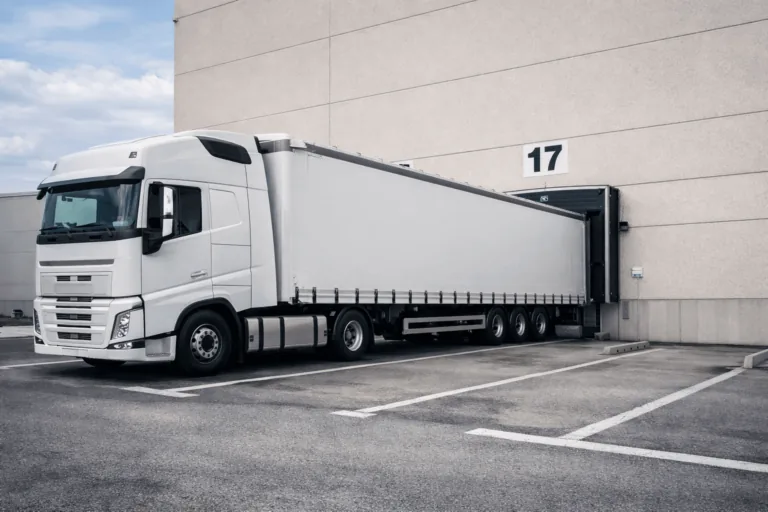
Road transport is considered the predominant transport of goods due to its advantages against rail transport.
Why choose road transport?
Flexibility in Routes and Scheduling
Road transport stands out for its flexibility, allowing routes and schedules to be adapted according to logistical needs. Unlike other means, special transport can access remote areas or urban centers with restrictions. This versatility makes it ideal for urgent loads or loads with specific destinations without depending on fixed networks.
Speed in Domestic and International Deliveries
Road transport guarantees speed in national shipments and cross-border connections within Europe. For special transport such as dangerous or perishable goods, it offers door-to-door solutions without transfers, reducing time and risks. Its ability to integrate with other modes (e.g. air) makes it a key link in the logistics chain.
Land transportation: road vs rail
Main differences
Rail transport stands out for its ability to move large volumes of goods over long distances, reducing operating costs and minimizing pollution. However, its scope is limited by the available infrastructure, especially in international transport, where differences such as track width in Spain force transfers. Furthermore, in many cases, it requires road transportation for the last mile, since it does not arrive directly at warehouses or specific delivery points.
On the other hand, road transport offers much broader coverage thanks to the extensive road network, allowing door-to-door deliveries without transfers. Although its loading capacity is less than that of the railway, its flexibility in routes and schedules makes it ideal for urgent shipments, special transport (such as dangerous or perishable goods) and operations that require real-time traceability.
Advantages of road transport over rail
- Flexibility and total coverage: Unlike rail, road transport does not depend on fixed tracks, reaching any destination, even in rural or urban areas with restrictions. This avoids transfers and delays, optimizing logistics.
- Agility in deliveries: While the railway is efficient over long distances with massive loads, the road guarantees speed in national and international shipments, especially in special transport that requires controlled conditions.
- Less dependence on infrastructure: The railway faces limitations such as track width or the lack of direct connections, while the road operates autonomously, adapting to immediate needs.
- Predictable costs: Although rail can be more economical in large volumes, transshipments and the need to complement it with trucks increase hidden costs. The highway offers more transparent and competitive rates for partial or urgent loads.
- Technology and monitoring: Digitalization in road transport allows real-time monitoring, something more complex in the railway due to its operational structure.
Current challenges in road transport
Road transportation faces key challenges that impact its efficiency and sustainability. These include infrastructure maintenance, growing road congestion and increasingly strict environmental regulations. In addition, the shortage of professional drivers and rising operating costs complicate the profitability of the sector. Digitalization and the adoption of greener vehicles are necessary steps, but they require heavy investments. Overcoming these challenges is crucial to maintaining the competitiveness of road transport compared to alternatives such as rail, especially in a constantly evolving logistics market.
Infrastructure and road conditions
One of the biggest challenges of road transport is the deterioration of road infrastructure. Many roads, especially in rural areas, are poorly maintained, which increases the risk of accidents and operating costs due to vehicle damage. Congestion on key corridors and the lack of alternative routes also generate delays, affecting the timeliness of deliveries. Investing in the modernization of the road network and in intelligent traffic management systems is essential to improve the efficiency and safety of road freight transport.
Legislation and collective agreements
The legal framework for road transport is complex and varies between countries, making international operations difficult. Regulations such as restrictions on truck circulation in cities or emission limits require costly adaptations by companies. Additionally, collective agreements directly impact labor costs and driver availability. The harmonization of laws at the European level and the relaxation of certain regulations, without compromising job security, are key to guaranteeing the long-term viability of the sector. According to statistical data from recent years, in the rest of Europe, Rail freight transport accounts for up to 15% to 18% of total land transport. Probably, factors such as the extensive railway infrastructure network are one of the greatest arguments to understand this data.
National and international transport company: how to choose?
Choose the appropriate shipping company for national shipments and international requires evaluating several key factors. Prioritize companies with extensive experience in your sector and coverage on the routes you need. Verify your vehicle fleet and ability to handle special merchandise, such as perishable or dangerous goods. Communication in monitoring and flexibility in the face of unforeseen events are essential. In addition, it checks its regulatory compliance and international certifications. A company with personalized services and efficient customer service will guarantee hassle-free logistics, optimizing costs and delivery times.
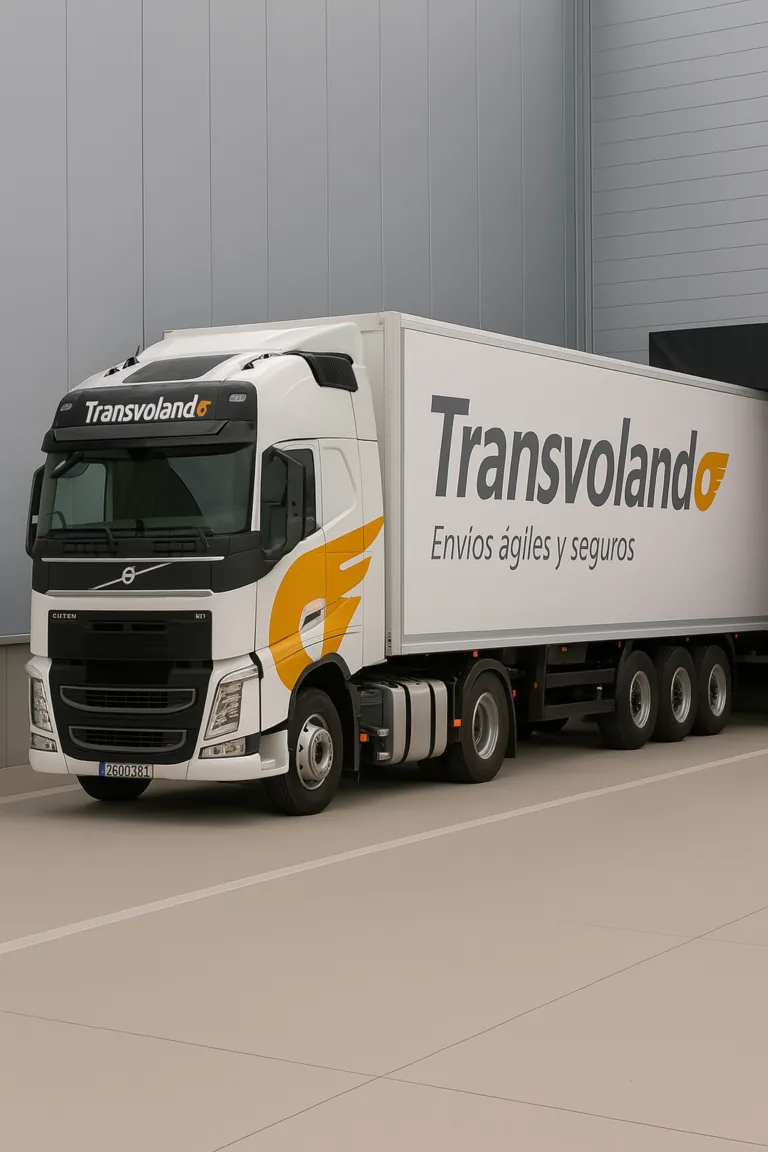
En Transvolando, we offer personalized solutions with extensive experience in land transportation, ensuring that your goods reach their destination quickly and safely.
Contact: +34 674 346 912
Address: C/ Empleo, 28 Nave 10 28906 – Getafe (Madrid, España)
How to get there?
Do you need anything else…?
Many times we need the support of something more than a word.
If we can help or accompany you in this process of choosing our services, contact us and we will respond as soon as we put the brakes on!
budget
If you are here it is because you need a freight transportation service and we are sure that we can provide it!
Ask us for a free quote. Request your quote in less than 3 minutes at just one click.
Frequently Asked Questions about Road vs Rail Transport
When is road more cost-effective than rail for B2B cargo?
Critical balance point: 1) Road wins in: distance <500 km, plazo crítico, mercancía valor alto, destinos sin terminal ferroviario. 2) ferroviario gana en: distancia>5 containers, heavy/bulky merchandise, hub-to-hub with terminal. Example Madrid-Munich (1,700 km): train 30-40% cheaper than truck, similar period 60-72h. Ask your agency for modal analysis before opting.
What concrete advantages does rail offer B2B exporting businesses?
Five differential benefits: 1) Cost 30-40% lower on distances above 500 km. 2) CO2 footprint 75% lower per ton-km. 3) Massive capacity (1 train = 30-40 trucks). 4) Stable lead times (unaffected by driver rest periods). 5) Exempt from EU weekend bans in some countries. Limitations: reach (needs secondary transport to terminal), initial investment (intermodal containers, handling).
Which main rail corridors connect Spain with the rest of Europe?
Five priority rail corridors: 1) Mediterranean (Algeciras–French border) — operational. 2) Atlantic (Madrid–Lisbon–Galicia–Atlantic France) — under development. 3) Madrid–Frankfurt (UIC European gauge). 4) Madrid–Lyon–Milan. 5) Madrid–Brussels–Rotterdam. Operators: Renfe Cargo (Spanish state freight rail), Captrain, Ouigo Cargo (new). Frequencies: 3–7 trains/week to European destinations. Lead time: 2–4 days origin to destination + terminal transit time.
How do I combine road and rail in an efficient multimodal solution?
Standard multimodal model: 1) Truck origin pickup → rail terminal (50-150 km). 2) Intermodal train to destination terminal (500-2000 km). 3) Truck distribution terminal → end client (50-200 km). Madrid-Munich example: truck Madrid-Logistics Hub (40 km) + train Hub-Munich Riem (40h) + truck Riem-client (30 km). Total rate: €1,700-2,300 versus €2,500-3,200 direct truck. Lead time: 60-72h versus 32-36h direct truck.
What are the main rail limitations my agency should manage?
Five operational limitations: 1) Fixed train schedules (can’t be changed like a truck). 2) Gauge restrictions (max heights) on some lines. 3) Track gauge differences Spain-France (change at border, +6-8h). 4) Intermodal handling adds damage risk (5-10% more than pure road). 5) Limited capacity on certain frequencies. Your agency must manage these variables. Check prior intermodal experience before contracting.
Need full-truckload (FTL) haulage?
Dedicated lorry for your cargo, 2-hour collection and the same contact throughout.