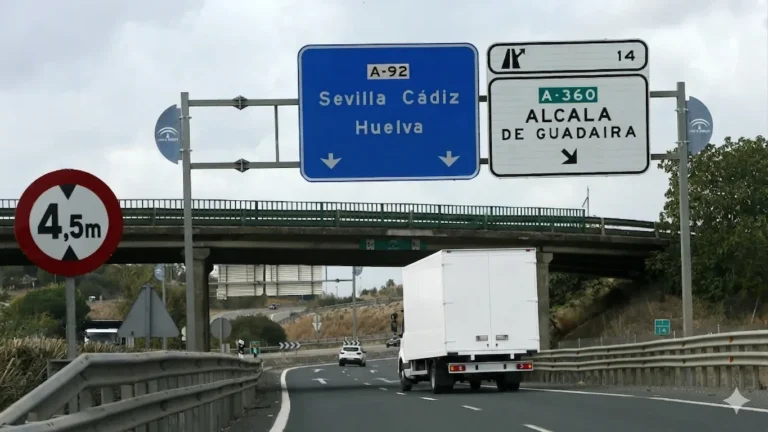
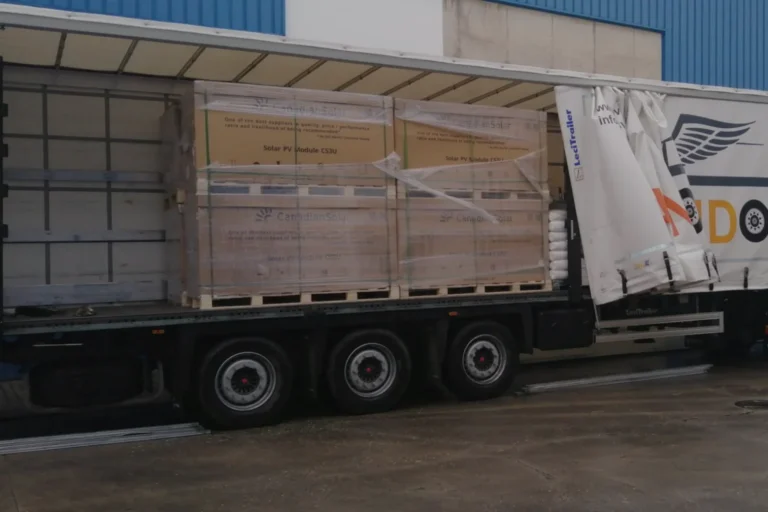
Ventajas: flexibilidad puerta a puerta, plazo medio competitivo en distancias <1.500 km, sin trasbordos. Desventajas: sujeto a tráfico, restricciones horarias y huelgas, mayor huella CO₂ por tonelada vs ferrocarril en largas distancias.
Si estás decidiendo entre carretera, intermodal o aéreo para tu carga B2B, te ayudamos a comparar costes reales y plazos en menos de 2 horas. Análisis ruta a ruta sin compromiso.
El transporte por carretera es uno de los pilares fundamentales en la logística moderna, siendo clave para la economía global y el comercio internacional. Su versatilidad y eficiencia lo convierten en el medio más utilizado para la distribución de mercancías. Sin embargo, como cualquier servicio, presenta tanto ventajas como desventajas.
Transporte por Carretera: Ventajas, Desventajas y Logística Moderna
El transporte de mercancías por carretera se ha mantenido como un sector sólido y en expansión, especialmente en España. Con la creciente demanda del comercio electrónico, la necesidad de un transporte eficiente y puntual es mayor que nunca. A pesar de las ventajas del transporte público en cuanto a precio, el transporte de cargas por carretera ofrece flexibilidad, tiempos de entrega más rápidos y acceso directo a destinos sin restricciones horarias ni de carga.
Transporte de Mercancías por Carretera: Situación y Retos Actuales
El transporte de mercancías por carretera se ha mantenido como un sector sólido y en expansión, especialmente en España. Con la creciente demanda del comercio electrónico, la necesidad de un transporte eficiente y puntual es mayor que nunca. A pesar de las ventajas del transporte público en cuanto a precio, el transporte de cargas por carretera ofrece flexibilidad, tiempos de entrega más rápidos y acceso directo a destinos sin restricciones horarias ni de carga.
Crecimiento Consolidado en el Sector
El transporte por carretera ha mostrado un crecimiento sostenido, con un aumento del 2,1% en 2016 según el Observatorio DBK, y esta tendencia positiva ha continuado desde 2014.
Contribución a la Recuperación Económica
El sector ha tenido un papel fundamental en la recuperación económica, impulsado principalmente por el auge del comercio electrónico, que aumentó el envío de paquetería casi un 21% en 2015.
Soluciones de Transporte por Carretera Optimizadas para B2B
En Transvolando, nos especializamos en transporte por carretera B2B con soluciones personalizadas adaptadas a diferentes perfiles de carga: FTL (cargas completas), grupaje (envíos compartidos), transportes especiales (ADR, refrigerado), y rutas diarias fijas. Más de 56.000 cargas entregadas demuestran nuestra experiencia. La clave es elegir la modalidad correcta según volumen, plazo, naturaleza de la mercancía y cobertura geográfica requerida.
- Experiencia y Profesionalismo: Más de una década de experiencia en el sector.
- Tecnología y Trazabilidad: Seguimiento en tiempo real con tecnología GPS.
- Flexibilidad en la Gestión: Diferentes paquetes adaptados a cada necesidad.
- Atención Personalizada: Un equipo dedicado a garantizar tu tranquilidad logística.
Ventajas del Transporte por Carretera
El transporte privado por carretera se ha consolidado como la opción más elegida a nivel global debido a sus múltiples beneficios:
1. Es el medio más utilizado
Gracias a una red vial extensa y conectada, permite llegar a zonas donde otros medios no tienen acceso, facilitando la distribución en todo el territorio.
2. Es el medio más económico
Los costes operativos iniciales son más bajos en comparación con otros tipos de transporte, lo que lo hace ideal para empresas que buscan eficiencia sin comprometer la calidad.
3. Es el servicio más directo
Permite realizar entregas puerta a puerta sin necesidad de transbordos, reduciendo tiempos y riesgos en la manipulación de mercancías.
4. Es el más flexible
Se adapta fácilmente a diferentes volúmenes y horarios, permitiendo la personalización del servicio según las necesidades de cada cliente.
5. Permite el transporte de mercancías peligrosas
Está adaptado y regulado para el transporte seguro de mercancías peligrosas, cumpliendo con normativas específicas.
6. Facilita la trazabilidad de la mercancía
Con la implementación de tecnologías como GPS y sistemas de gestión de flotas, se puede realizar un seguimiento en tiempo real de los envíos, mejorando la seguridad y eficiencia.
Desventajas del Transporte por Carretera
A pesar de sus múltiples beneficios, el transporte por carretera presenta ciertos desafíos:
1. Tiene una alta siniestralidad: El transporte por carretera tiene un índice de siniestralidad más elevado que otros medios, aunque el sector está invirtiendo en formación y renovación de flotas para minimizar este riesgo.
2. Es el más contaminante por detrás del avión: Aunque es un medio eficiente, las emisiones de CO₂ y la contaminación acústica son más elevadas que en otros sistemas de transporte. No obstante, se están implementando motores más eficientes y biocombustibles.
3. Transporta un menor volumen de carga: En comparación con el transporte marítimo o ferroviario, los camiones tienen menor capacidad de carga. Sin embargo, la llegada de los megacamiones con capacidad de hasta 60 toneladas está reduciendo esta desventaja.
4. Está sujeto a las restricciones del tráfico: El tráfico y los atascos pueden afectar los tiempos de entrega, aunque con la implementación de software de gestión de rutas se puede optimizar este aspecto.
Mitigación de desventajas: estrategias operacionales reales
Las desventajas del transporte por carretera NO son insuperables. Empresas B2B pueden mitigarlas mediante:
- Consolidación de cargas (groupaje reduce CO2 por unidad vs FTL individual).
- Optimización de rutas con software IA (reduce combustible 10-15%).
- Vehículos Euro 6/eléctricos en short-haul <300 km.
- Seguros all-risks reforzados para carga de alto valor (coste mínimo vs riesgo).
- Agencias con red propia y rutas diarias programadas (reducen imprevistos 30% vs spot market).
- Planificación con buffer tiempo (viajar fuera horas pico). La selección correcta de transportista mitiga >80% desventajas operacionales.
Comparación: Carretera vs Otros Modos de Transporte
Existen diferentes medios de transporte, cada uno con sus propias ventajas y desventajas:
1. Transporte Aéreo
- Ventajas: Rapidez, seguridad y cobertura amplia.
- Desventajas: Coste elevado y capacidad de carga limitada.
2. Transporte Marítimo
- Ventajas: Alta capacidad de carga y costos bajos.
- Desventajas: Tiempos de entrega prolongados y trámites complejos.
3. Transporte por Carretera
- Ventajas: Flexible, económico y con gran cobertura.
- Desventajas: Menor capacidad de carga y mayor siniestralidad.
4. Transporte Ferroviario
- Ventajas: Capacidad de carga considerable y coste reducido.
- Desventajas: Cobertura limitada y tiempos de entrega lentos.
¿Cuándo es la mejor opción el transporte por carretera?
El transporte por carretera es la mejor opción para empresas que necesitan entregas puerta a puerta, flexibilidad horaria y distribución nacional rápida.
En Transvolando gestionamos maquinaria, gran volumen y cargas especiales optimizando rutas y costes.
Solicita Presupuesto de Nuestro Servicio de Transporte de Mercancías
En Transvolando, somos expertos en la gestión de transporte de mercancías por carretera, ofreciendo soluciones personalizadas y adaptadas a cada necesidad logística.
Novedades en el Servicio de Transporte Especial
Incorporamos nuevas opciones de transporte especializado, como megacamiones y soluciones personalizadas para mercancías de gran volumen.
Medidas de Seguridad Implementadas
Antes de cada servicio especial, realizamos una evaluación exhaustiva para garantizar que la mercancía viaje de forma segura y cumpliendo con todas las normativas vigentes.
Transporte para Eventos: La Clave del Éxito Logístico
Nuestro servicio de transporte para eventos asegura que todo el material necesario llegue a tiempo y en perfectas condiciones, permitiendo que tu evento se desarrolle sin contratiempos.
Solicita tu presupuesto en menos de 3 minutos y descubre cómo podemos ayudarte a optimizar tu logística.
Corredores B2B España–Europa: rutas estratégicas y plazos reales
Para empresas con flujos de mercancía internacional, el transporte por carretera es el modo dominante en los corredores intra-UE de menos de 2.500 km. Plazos de tránsito habituales para grupaje (un palet) puerta a puerta:
- España–Alemania (Madrid–Frankfurt, Barcelona–Múnich): 3–5 días | precio referencia 1 palet 220–320 €
- España–Francia (Madrid–París, Barcelona–Lyon): 1–2 días | 180–240 €
- España–Países Bajos (Madrid–Rotterdam): 3–4 días | 240–340 €
- España–Bélgica (Barcelona–Amberes): 2–3 días | 220–300 €
- España–Italia (Madrid–Milán, Barcelona–Roma): 2–3 días | 200–280 €
- España–Polonia (Madrid–Varsovia): 4–5 días | 280–380 €
El factor clave para B2B es la capacidad garantizada en pico estacional (Black Friday, vendimia, campañas industriales). Los operadores con red propia y rutas diarias programadas reducen las paralizaciones hasta un 30%.
Preguntas Frecuentes sobre el Transporte de Mercancías por Carretera
¿Cuándo conviene contratar transporte por carretera frente a marítimo o ferroviario para una empresa?
Para envíos intra-Europa de menos de 2.500 km el transporte por carretera ofrece la mejor combinación de velocidad y coste, especialmente cuando se requiere entrega puerta a puerta sin transbordos. El marítimo es más rentable para volúmenes muy altos en rutas oceánicas; el ferroviario funciona en corredores predefinidos donde existe terminal intermodal en origen y destino.
¿Qué documentación se necesita para enviar mercancías por carretera dentro de la Unión Europea?
El documento de transporte clave es la carta de porte CMR (Convención de Ginebra 1956), obligatoria en transporte internacional por carretera intra-UE. Para mercancías peligrosas se añade el ADR (Acuerdo Europeo). Productos sujetos a aranceles requieren DUA sólo en exportaciones extra-UE.
¿Cómo se calcula el coste de transporte de mercancías por carretera para una empresa?
El precio se calcula sobre el peso facturable (mayor entre peso real y volumétrico = largo × ancho × alto cm / 4.000), distancia, tipo de vehículo (furgoneta, rígido, trailer, góndola) y servicios adicionales (recogida, descarga con plataforma elevadora, entregas con cita previa). Para operadores B2B regulares, las tarifas contractuales con compromiso de volumen mensual reducen el coste unitario un 15–25%.
¿Qué tipo de cargas industriales se pueden transportar por carretera?
Prácticamente todas: paletizada estándar, mercancías peligrosas (ADR), refrigerada (ATP), cargas excepcionales con permisos especiales (maquinaria, prefabricados, palas eólicas), cargas a granel, productos farmacéuticos GDP, y high-tech con escolta y seguro reforzado. Cada tipología requiere vehículo y operador certificado específico.
¿Cómo elijo entre carga completa (FTL) y grupaje para mi empresa?
FTL es ideal cuando se ocupan más del 60% de la capacidad del camión, hay urgencia o el producto es sensible al manejo. Grupaje conviene desde 1 palet hasta cargas parciales, comparte coste con otras mercancías y es más sostenible en CO2 por unidad transportada. Para envíos B2B repetitivos, una combinación FTL + rutas diarias programadas optimiza coste y plazo.
¿Transporte de maquinaria pesada?
Plataforma rebajada, permisos y escolta cuando hace falta. Carga y descarga supervisadas.