How to manage risks in transportation
Cargo Damage
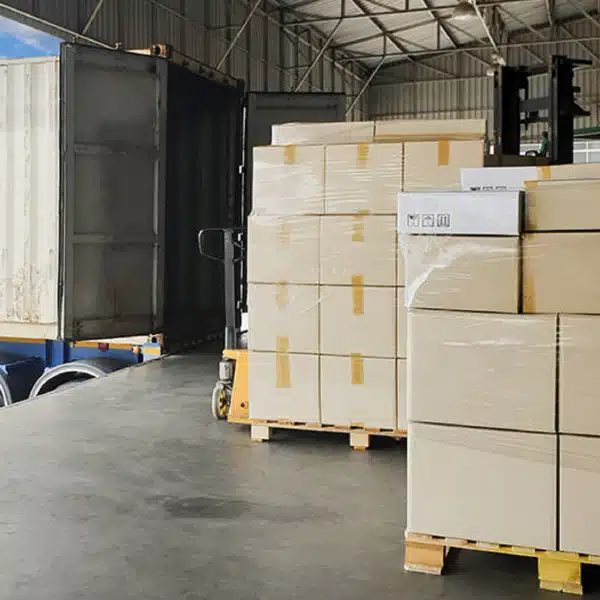
One of the most common risks in freight transportation is physical damage to products during handling and transportation. To mitigate this risk, it is essential to use adequate packaging that protects the merchandise from shocks, vibrations and sudden changes in temperature. Therefore, training handling and transportation personnel in safe handling techniques can help reduce the incidence of damage.Theft and loss of cargo
Cargo theft and loss are major concerns for companies that transport high-value goods. To mitigate this risk, additional security measures can be implemented, such as tracking and surveillance systems, security escorts for high-risk shipments, and secure transportation routes. Additionally, properly securing cargo with locks and seals can deter potential thieves.Delivery delays
Delivery delays can be costly and impact customer satisfaction. To mitigate this risk, it is important to plan realistic routes and delivery times, anticipating possible obstacles such as traffic, adverse weather conditions or mechanical problems. Additionally, maintaining transparent communication with customers about any delays and providing frequent updates can help manage expectations and minimize negative impact.Cumplimiento Normativo
Failure to comply with local and international regulations and standards may result in legal and financial sanctions. To mitigate this risk, it is essential to stay up to date with relevant legal and regulatory requirements and ensure that all transport operations comply with them. This may include obtaining necessary licenses and permits, ensuring proper documentation, and meeting safety and quality standards.Road safety problems
Traffic accidents can have serious consequences for the merchandise, personnel and third parties involved. To mitigate this risk, it is essential to maintain a well-maintained fleet of vehicles equipped with advanced safety systems. Additionally, providing regular road safety training for drivers and establishing clear policies and emergency procedures can help prevent accidents and minimize their impacts. Risk management in freight transportation is a crucial component of the supply chain. By proactively identifying and mitigating potential risks, companies can protect cargo integrity, ensure customer satisfaction, and maintain operational efficiency in an increasingly complex logistics environment.Solicita presupuesto de nuestro servicio de transporte de mercancías
However, our company makes numerous successful shipments every day, and our customers are completely grateful and satisfied with our team. If you need quality and seguridad to manage your company's shipments, Request a quote for our freight transportation service.We are waiting for you! Request your quote in less than 3 minutes at just one click.Frequently Asked Questions about Risk Management in Transport
What are the main operational risks of freight transport for a business?
Five critical risks: 1) Cargo damage/loss (CMR covers around €21/kg, insufficient for high value). 2) Delivery delay with contractual penalty to your end client. 3) Customs non-compliance (cargo held 7-30 days). 4) Transport strike (operational loss). 5) Agency bankruptcy (zero immediate capacity). Each risk is mitigated with specific measures: tailored insurance, contractual SLA, AEO agency, plan B/C, financial due diligence.
How do I build a logistics risk map for my business?
Five-step methodology: 1) Identify risks by category (operational, financial, regulatory, geopolitical, reputational). 2) Quantify probability × impact (1-5 matrix). 3) Prioritise the top 10 critical risks. 4) Define a mitigation plan per risk (preventive + reactive). 5) Review quarterly. Tools: Excel matrix or ERM software. Initial implementation cost: €5,000-15,000. Benefit: cuts loss rate 40-60% within 18 months.
What preventive measures reduce damage risk during transport?
Five measures with high ROI: 1) Standardized packaging by type of cargo (documented procedure). 2) Clear and duplicate labeling (FRAGILE, DO NOT STACK, THIS SIDE UP). 3) GPS traceability per pallet (visible to the customer). 4) Pre-loading inspection with photo (evidence for claims). 5) Random audit 5% shipments. The combination of these five measures reduces damage claims by 60-80%. Implementation cost: <0,5% del coste total transporte.
How do I manage a logistics crisis (strike, accident, supplier failure)?
Four-phase crisis plan: 1) Early detection (news alerts, proactive agency communication). 2) Activate plan B (second agency, alternative route, alternative mode air/rail). 3) Communicate with end clients (transparency preserves trust). 4) Post-crisis: root-cause analysis and plan improvement. Having a 20%-volume second supplier is the best protection — extra cost 5-8% but immediate capacity in crisis. Businesses without a plan B suffer 3-5× more impact.
What business insurance complements CMR to cover all logistics risks?
Full business cover: 1) Carrier’s CMR (base, around €21/kg). 2) Ad valorem if high value (0.15-0.4% premium). 3) Stock-in-transit insurance (covers cargo at intermediate warehouse). 4) Public liability cover (above €1M) — third-party damage. 5) Business interruption cover (lost profits from operational disruption). Typical bundle: 0.5-1.5% of annual shipment value. Tip: review covers annually with your broker.
Need part-load / groupage?
Your pallets ride with other consignments. Save the full-lorry cost without missing your delivery date.