What does logistics represent in economic growth?
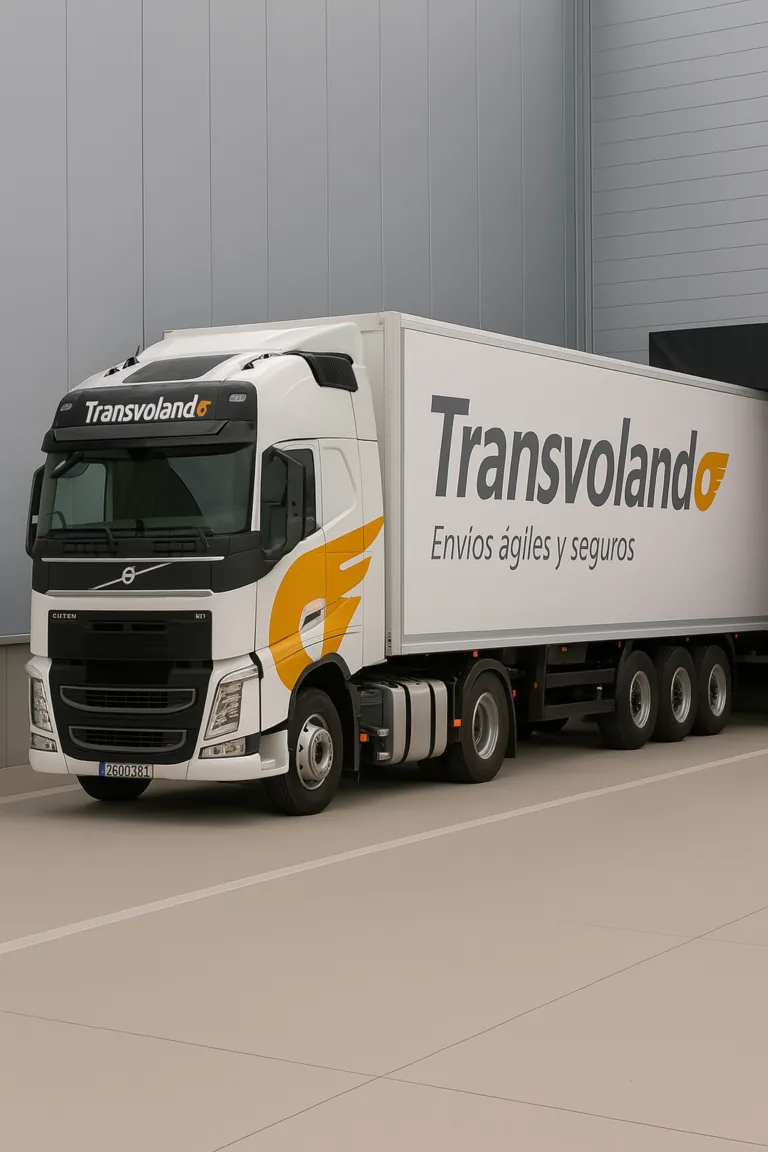
Logistics is essential for economic growth, especially in e-commerce. Convenience and home delivery generate demand, and big brands depend on the satisfaction of the end consumer. In this context, it is crucial to have an efficient goods transportation network. Thanks to the growth in this sector, it is no longer necessary to maintain logistics points in each area, since the logistics capacity of transport companies can be used to distribute products from a single platform. This is especially beneficial with groupage transport, which allow you to reach any place on the peninsula efficiently. The rise of electronic commerce and wholesale sales have created this need. Therefore, it is essential that big brands have transport companies in Madrid and other industrial centers for efficient distribution of merchandise. The satisfaction of the end customer depends on it.How important is the transportation sector in our economy?
The logistics sector is a strategic component of the Spanish economy. According to data from the Ministry of Transport as of August 2021, 120,069 authorizations for movements in the transport of goods were registered. During last year's confinement, electronic commerce found in the transportation a fundamental allyThe objective is to provide an even more efficient service to the end consumer.How much does shipping cost?
Request your quote in less than 3 minutes at just one click.Frequently Asked Questions about Transport Sector Growth
What is the current state of the Spanish transport sector and projections 2026-2030?
CETM 2024 data: the transportation sector moves 1,400 million tons/year, 95% land transport.
What factors drive transport growth in Spain currently?
Five growth drivers: 1) B2B and B2C e-commerce (+20% annual). 2) Automotive and chemical export industries. 3) Pharma sanitary logistics (post-pandemic). 4) Construction and public works (Spain 2050 Plan). 5) Growing intra-EU goods movement. Businesses positioned in these sectors: higher transport demand. Declining sectors (traditional commodity): pressured margins.
What challenges does the Spanish transport sector face by 2030?
Five critical challenges: 1) Driver shortage (400,000 EU deficit by 2030). 2) Sustained inflation (fuel, labour +5-8%/year). 3) Green fleet transition (investment €100K-300K/new vehicle). 4) Regulatory compliance (CSRD, Mobility Package, Euro VII). 5) Digital-native operator competition. Businesses focused only on price: eliminated in 5 years. Businesses investing in technology + diversification: survive and grow.
How do I position my business to capture sector growth?
Five strategic actions: 1) Vertical specialization (pharma, automotive, ecommerce, events). 2) Digitalization investment (TMS, e-CMR, IoT). 3) Certified sustainability (CSRD-ready). 4) Multi-country collaborative network (Europe alliances). 5) Formed and diverse team. Companies with a prioritized 3-year strategic plan: grow 15-25% annually. Reactive companies: <5% crecimiento, perdiendo cuota mercado.
What specific opportunities are there for SMEs in transport 2026-2030?
Five profitable niches for SME: 1) Certified sustainable transport for CSRD-compliant B2B clients. 2) Reverse logistics e-commerce (growing +20% annual). 3) B2B events (high demand with premium service). 4) Urban last mile with electric vehicles (LEZ). 5) Pharma refrigerated transport (cold chain). Well-positioned SME in these niches: 15-25% margin (vs 5-8% commodity). Initial investment: €50-200K. ROI: 18-36 months.
Need part-load / groupage?
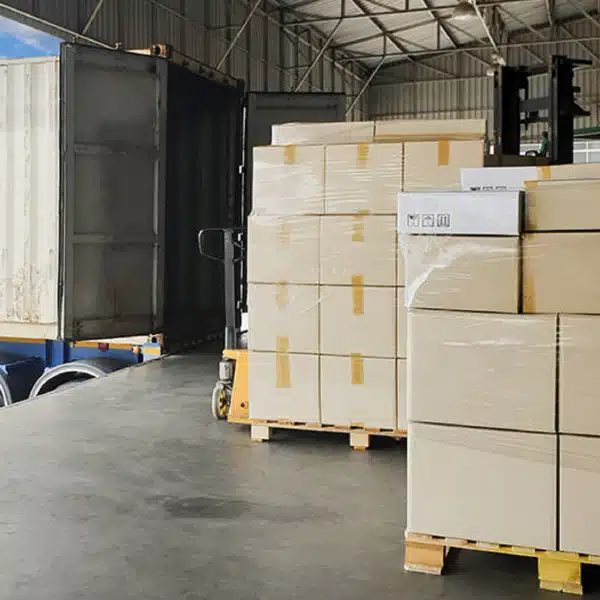
Your pallets ride with other consignments. Save the full-lorry cost without missing your delivery date.