The main after-sales problem: Not knowing how to sell
The main thing for a company is to get a good team capable of being able to sell the products or services they offer, but not only know how to sell them, but also know and believe in them. One of the strong points of sales is paying attention to the customer and knowing how to appreciate what they need at all times. You don't have to sell smoke, you have to know that you are offering a service and a product, because they have a need to cover. But what can you offer that no other company has? This is the point, you have to offer a add value to the customer, who may be in after-sales or customer support while making the purchase. You must keep in mind that the person is listening to you and is allowing themselves to be advised, it is a very important two-way channel, since there are companies that are implementing it in their sales service, since it not only consists of selling, but also advising the client so that they are satisfied with the service.What does a good after-sales service offer?
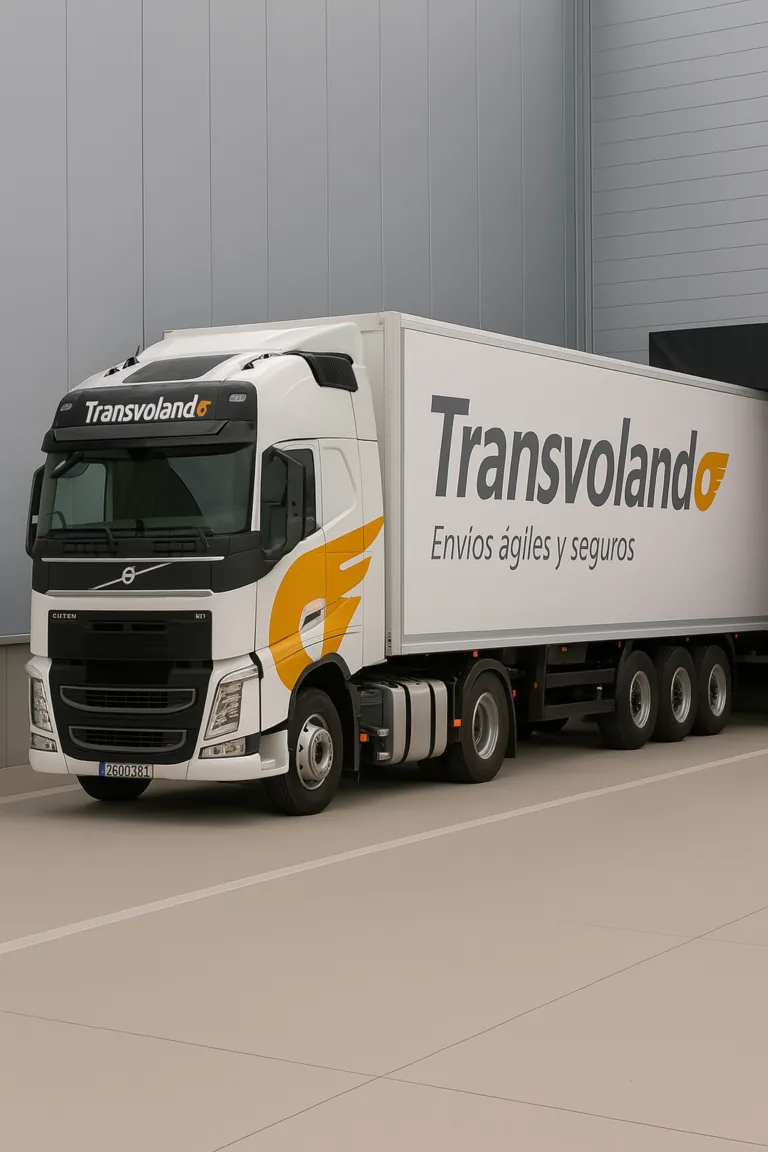
The after-sales service of a company requires time and money on the part of a brand, but it offers great possibilities of loyalty along with a greater increase in sales and an improvement in communication. A clear example and offer of this after-sales service is Transvolando, a company transport in Madrid which aims to strengthen the bond with the client and improve their after-sales experience in order to cover any need or urgency they may have or arise. That is, before any inconvenience the company is protected and calm without the need to be suspicious. After-sales service It is a fundamental process of a company to retain customers and increase their satisfaction, which in turn offers a good corporate image and generates continuous improvement in a company.How much does shipping cost?
Request your quote in less than 3 minutes at just one click.Frequently Asked Questions about Importance of After-Sales
Why is after-sales critical in B2B freight transport?
Sector data: 65% of B2B incidents are resolved in after-sales. Importance: 1) Well-handled claim = above 80% retention. 2) Unresolved claim = 90% client loss. 3) Professional after-sales reduces client recovery cost 5-10x vs losing them. 4) Sector reputation (B2B clients share experiences). 5) Competitive differentiator in commodity service. Business with weak after-sales: high client churn and margin loss.
What response time should good B2B after-sales have?
Professional standard: 1) Acknowledge receipt of claim: <2h horario laboral. 2) investigación inicial: 24h. 3) propuesta solución: 48-72h. 4) resolución completa: 7-14 días. 5) compensación si aplica: 30 días desde acuerdo. empresas b2b premium: tiempo respuesta <1h. mediocres:>72 hours without answer. B2B customer pays premium fast after-sales service — clear competitive differential.
What formal processes must a transport company have for after-sales?
Five essential processes: 1) CRM system with classified tickets (urgency, type). 2) Documented procedure by incident type. 3) Dedicated after-sales team (not shared with sales). 4) Escalation to operations if fix required. 5) KPI metrics (NPS, resolution time, % satisfaction). B2B business without these: chaotic after-sales. Initial investment: €30-100K implementation + €50-150K/year team. Retention ROI: 12-24 months.
What KPIs measure the quality of after-sales for a transport company?
Five standard KPIs: 1) Average resolution time (<7 días excelente). 2) nps post-resolución (>the company is protected and calm without the need to be suspicious.
How do I build differentiating after-sales that retains B2B clients?
Five differential practices: 1) Dedicated account manager (no rotation) — preserves knowledge. 2) Proactive incident communication (don’t wait for client to ask). 3) Clear immediate compensation (no laborious negotiation). 4) Root-cause analysis to prevent recurrence. 5) Quarterly review meetings with client. Businesses with these practices: NPS above 60 and retention above 90%. Justify 10-15% premium on standard rate.
Need part-load / groupage?
Your pallets ride with other consignments. Save the full-lorry cost without missing your delivery date.