WHAT ARE THE ADVANTAGES OF MULTIMODAL TRANSPORT?
The objectives of multimodal transport are the following:- Reduce costs and travel times
- Anywhere any place
- . reduces the need for warehousing of goods
- Lower risk of loss or theft of merchandise.
- Ease of transshipment
- Simplicity of documentation
- Global transportation route scheduling and economic costs
- Reduced cost of goods control
WHAT MEANS OF TRANSPORTATION CAN WE USE IN MULTIMODAL TRANSPORTATION?
As we have already mentioned previously, the transportation sector allows us to use different means of transportation to reach our destination in the shortest time possible and streamlining all possible processes.ground transportation
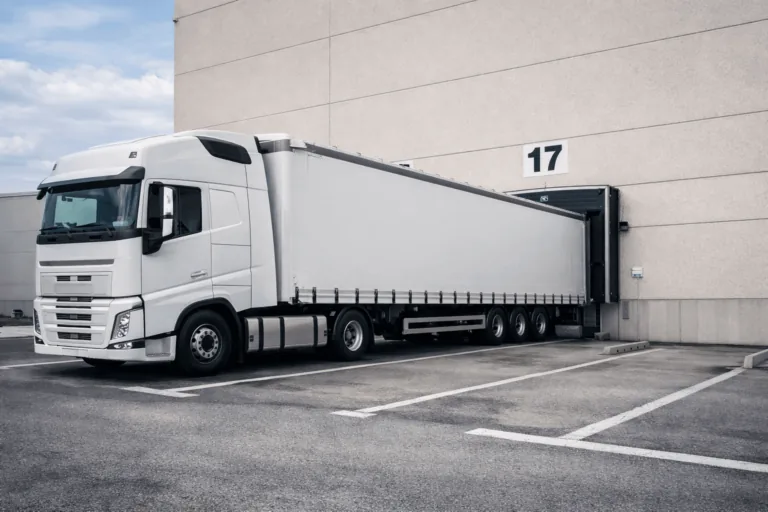
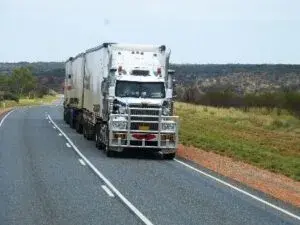 It is the transport that is most used and the most versatile, it is therefore the transport that is most in demand today. It consists of transportation from one point to another by land with three types of vehicles: rigid truck, articulated and road train. It can be divided into carga completa or groupage..
Rail transport
 In this last decade, there is an increase in its use as transportation of goods since it reduces transportation time and speeds up delivery times when we talk about long-distance shipments. It is mainly used to move large volumes and they can be adapted to the load, that is, depending on the type of merchandise we can use a tank car, container ship, refrigerators...
Maritime transport
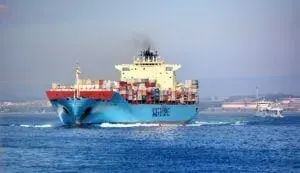 It transports cargo through aquatic media, that is, it allows ports to be connected to each other. It is the most common means of transport on routes international transport. Several clients and/or companies that use the same means of transport and share spaces are usually coordinated in order to save costs and contract regular lines.
Air transport
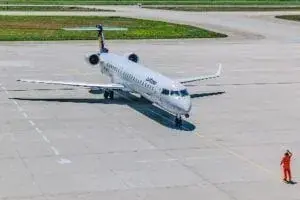 This type of transportation allows us to transport cargo by air. It is generally used for shipments of urgent for its speed. Different types of aircraft are used depending on the type of transportation that needs to be carried out, since the only drawback it presents is its price, because it is usually high.
WHAT CHARACTERISTICS SHOULD MULTIMODAL TRANSPORTATION MEET?
In order to be considered multimodal transport, apart from using several means of transport, it must meet several other characteristics:- Use of a a single transport document, the FIATA Bill of Landing (FBL).
- The merchandise must not be separated during the journey, that is, there should be no breakage of the charge
- Container: Container that allows loading for maritime and land transport. Its characteristics are rigid and protects its interior from weather variations. The containers are standardized with ISO 668 regulations.
- Mobile or swap body: Load unit that serves for the transportation of goods and has an appropriate size for land transportation by road and rail.
Frequently Asked Questions about Multimodal Transport
What is multimodal transport and when is it suitable for a B2B business?
Multimodal = combination of two or more transport modes (road, rail, sea, air) under a single contract. Suitable when: 1) Distance above 500 km (rail + road combination cuts cost 30-40%). 2) Volume above 5 containers/month to terminal-served destination. 3) Sustainability priority (75% less CO2 vs road only). 4) Non-urgent cargo (similar lead time but more profitable). 5) Well-connected corridors (Mediterranean, Atlantic).
How is multimodal transport invoiced and who is responsible per leg?
Invoicing model: 1) Multimodal operator (3PL): single invoice for the whole journey. 2) Contractual responsible: the operator vis-à-vis the shipper (joint liability for any leg). 3) Internal subcontracting to rail, sea operators, etc. — transparent to client. B2B advantage: one invoice, one responsible, one claim. Without multimodal: manage 3-4 different operators with separate contracts.
Which main multimodal corridors connect Spain with Europe?
Five priority corridors: 1) Mediterranean: Algeciras → French border → Italy (road + rail). 2) Atlantic: Madrid → Galicia → French Atlantic (under development). 3) Madrid-Frankfurt: UIC European-gauge train. 4) Madrid-Brussels-Rotterdam: road + rail. 5) Madrid-Lyon-Milan: road + Mediterranean rail. Train frequencies: 3-7 per week. Madrid-Frankfurt lead time: 60-72h vs 32h direct road. Cost: 30-40% lower with multimodal.
What type of cargo is ideal for multimodal transport?
4) Goods of large volume but medium weight (railway is efficient). <48h, valor extremo, capilaridad compleja en último km. Análisis modal con tu agencia identifica oportunidades.
What specific risks does multimodal transport carry and how do I manage them?
Five critical risks: 1) Transhipment damage (more handling = higher 5-10% damage risk). 2) Terminal delays if saturation. 3) Legislative differences by mode (road CMR vs sea Bill of Lading). 4) Capacity limited to fixed schedules. 5) Operator coordination communication. Mitigation: 1) Robust sealed container (no handling damage). 2) Certified multimodal operator (TAPA if high value). 3) Unified contract with clear clauses. 4) Advance bookings.
Need full-truckload (FTL) haulage?
Dedicated lorry for your cargo, 2-hour collection and the same contact throughout.