¿Sabes qué es la estiba?
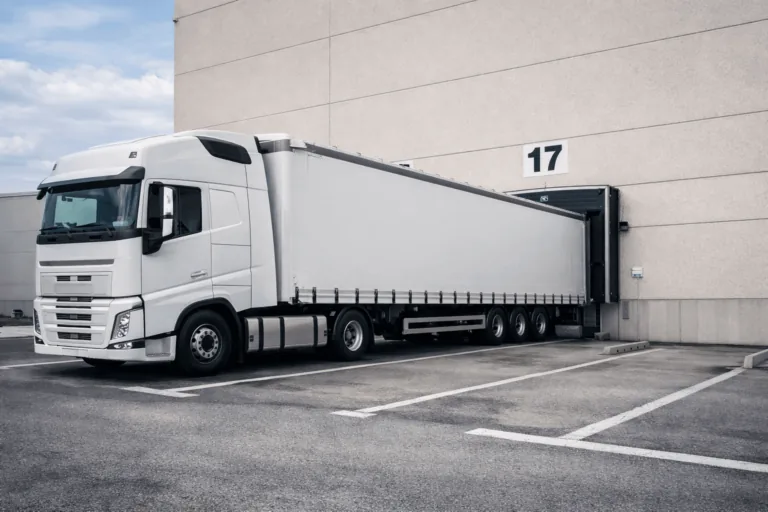
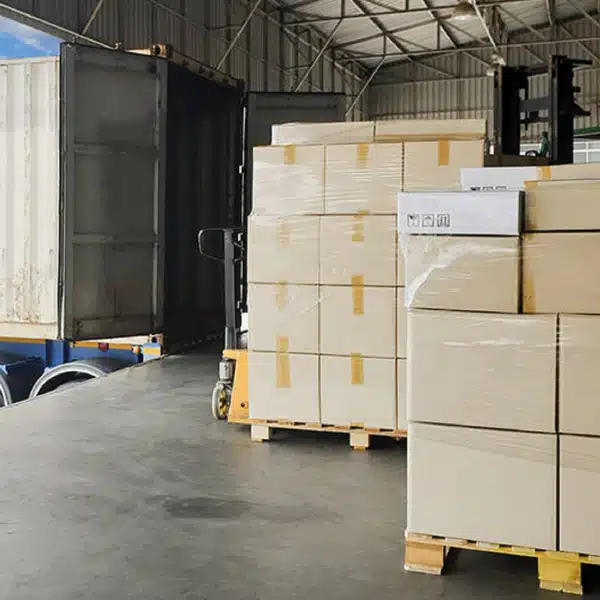
Suponemos que sí. Pero además, te vamos a contar datos a tener muy cuenta en relación a este tema y la controversia que está desencadenando la nueva normativa en el sector. La estiba es la colocación y distribución de las mercancías en una unidad de transporte de carga, ya sea un contenedor, una caja de camión o un vehículo de transporte.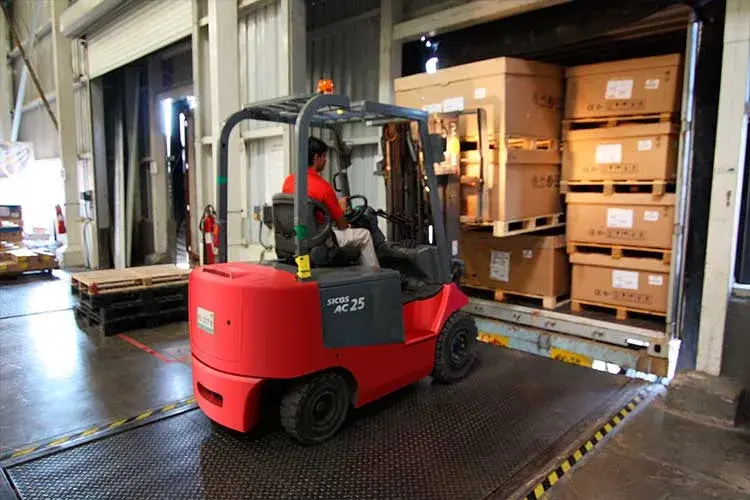 Alrededor de esta definición aparecen otros términos que se hacen imprescindibles de conocer para entenderla. La sujeción o lashing es el conjunto de técnicas destinadas a evitar el movimiento de dichas mercancías durante el transporte. Y unas responsabilidades que alguien debe de asumir. En estos casos, la empresa que prepara las mercancías en envases y embalajes es la responsable, y en ella se carga la responsabilidad de elegir los mejores y embalajes adecuados para cada tipo de transporte. Esta responsabilidad solo cambiará, cuando el servicio de estibar y sujetar adecuadamente la carga haya sido expresamente contratado con un operador logístico.
Legislación de la estiba
Hasta hace muy poco, no existía regulación alguna sobre cómo asegurar la carga sobre un camión. La única referencia que encontrábamos era en el Reglamento General de Circulación (RD 1428/2003) Art14. y solo hacía mención observando “la carga debe ir bien sujeta.”Desde junio de 2017, con el RD 563/2017, siendo una transposición europea, se intenta dar cabida a estas deficiencias. El 20 de mayo de 2018 entró en vigor, y cubre los siguientes puntos:- Regula las inspecciones técnicas que deben hacerse a los vehículos comerciales en el territorio español.
- En el Anexo III determina una serie de normas técnicas, que deben aplicarse en la fijación de cargas del camión. Recoge y regula, entre otras, el mínimo de amarres a colocar, la capacidad de amarre, y, en quién hace recaer la responsabilidad en caso de accidente según determinadas circunstancias.
Controversia por la nueva normativa sobre la estiba que atribuye la responsabilidad de las infracciones al conductor
Fetransa ha querido dejar constancia de su preocupación con la medida en la que la nueva norma entra en contradicción con la legislación en materia de transporte, en la que asigna la responsabilidad de la carga de la mercancía en el vehículo a la empresa cargadora, y no al conductor, como atribuye esta nueva.Entre otras cosas ha recomendado incluir formación previa de esta materia tanto en el CAP inicial como en formación continua. Así, permitiría en parte, concienciar al conductor y capacitarlo en cierta medida a ajustarse a la norma sin riesgo a incurrir en interpretaciones erróneas.¿Necesitas algo más…?
A veces necesitamos lo que no está escrito. Si podemos despejar tus dudas referente a nuestros servicios, ponte en contacto con nosotros y te responderemos en cuanto echemos el freno de mano!
No olvides revisar el convenio colectivo de transporte para conocer mas detalles sobre las condiciones de trabajo.Presupuesto
Si estás aquí es porque necesitas un servicio de transporte de mercancías y nosotros estamos seguros que podemos realizarlo!
Solicita tu presupuesto en menos de 3 minutos a tan solo un clic.
Preguntas Frecuentes sobre Estiba y Normativa de Transporte
¿Qué es la estiba y por qué es crítica para empresas que contratan transporte de mercancías?
Estiba: colocación, distribución y sujeción carga en vehículo según normativa UE 561/2014 + Norma EN 12195. Importancia B2B: 1) Mala estiba = riesgo accidente (volcado, desplazamiento). 2) Sanciones 200-30K€ + responsabilidad solidaria. 3) Pérdida cobertura seguro. 4) Daño mercancía propia o terceros. 5) Inhabilitación contratos públicos. Para empresas cargadoras: cláusula contrato responsabilidad correcta estiba — corresponde según LCTTM al cargador (no transportista) en mayoría casos.
¿Cuáles son los principales riesgos de una mala estiba en el transporte por carretera?
Cinco riesgos críticos: 1) Volcado vehículo (35% accidentes graves carretera por mala carga). 2) Daño mercancía propia (impactos, deformación). 3) Daño otras cargas en trailer multicliente. 4) Multas DGT 200-3.000€ por irregularidad. 5) Responsabilidad solidaria cargador con transportista. Estiba correcta: 1) Carga distribuida ejes (max 5T eje delantero, 11.5T trasero). 2) Sujeción cada 1.5m correa o angular. 3) Inmovilización lateral si cargas estables. 4) Etiquetado riesgos visible.
¿Qué normativa española y europea regula la estiba en transporte por carretera?
Normativa principal: 1) Reglamento CE 561/2014 — descansos conductor + límites peso. 2) Norma EN 12195 — sistemas sujeción carga. 3) Real Decreto 1428/2003 — Reglamento General Vehículos. 4) Reglamento Sectorial CETM — buenas prácticas estiba sector. 5) Norma CMR (cargas internacionales) — responsabilidad transporte. Para empresas B2B: 1) Conductor formado CAP. 2) Vehículo equipamiento estándar EN 12195. 3) Procedimiento estiba documentado. Auditoría agencia: pide protocolo escrito.
¿Quién es responsable legalmente si la estiba causa daño durante el transporte?
Responsabilidad estiba según LCTTM + CMR: 1) Cargador (mi empresa): responsable estiba si ejecuta él directamente o supervisa. 2) Transportista: responsable si acepta carga mal estibada sin objeción. 3) Solidariamente ambos en caso accidente — tribunales reparten según evidencia. Cláusula contrato esencial: 1) Definición clara responsabilidad estiba. 2) Procedimiento aceptación o rechazo carga. 3) Documentación foto estado carga. 4) Seguro RC + CMR. Asesoría legal: 1-3K€/contrato, justifica.
¿Cómo asegurar una estiba correcta en mis envíos B2B y minimizar riesgos?
Cinco mejores prácticas B2B: 1) Procedimiento estiba documentado (manual + formación equipo). 2) Empresa transporte certificada estiba (ISO 9001 + EN 12195). 3) Verificación foto pre-salida (estado carga + sujeción). 4) CMR firmado con anotación carga aceptada. 5) Seguro carga + RC adecuado. Inversión: 1) Formación equipo: 200-500€/persona año. 2) Equipamiento estiba: 5-15K€ inicial. 3) Empresa certificada: +5-10% sobre tarifa. ROI: reducción siniestros 50-80% en 12 meses.
¿Grupaje para tu empresa?
Tus palets viajan con otros envíos. Te ahorras el camión completo sin perder la fecha de entrega.