How to Create a Contract with a Transportation Company
When you need to establish a contract with a transport company, it is essential to formalize all the key details related to the logistics of your goods. Here are the essential steps to follow:1. Start the Conversation: Start by contacting the shipping company to discuss your specific needs,, such as schedules, vehicle types, routes and rates.2. Service Specifications: Document all aspects of the service, including start and end dates, precise routes, loading and unloading points, schedules and any relevant details.3. Rates and Payments: Establishes the agreed rates, payment terms and penalty clauses in case of non-compliance. Make sure both parties agree to the payment terms.4. Responsibilities and Insurance: Specify the responsibilities of both the shipping company and your company when it comes to loading and unloading. Ensure that adequate insurance is in place to protect merchandise in transit.5. Cancellation Terms: Defines the conditions under which either party can cancel the contract, including notifications and possible associated costs.6. Signing of the Contract: Once all terms have been agreed upon, both parties must sign the contract. Make sure the contract is written clearly and is fully understood by both parties.7. Monitoring and Communication: Maintain open communication during transport and ensure that the terms of the contract are met. Regularly track progress and resolve any issues that may arise.8. Closure and Payment: Once the goods have been delivered in accordance with the contract, proceed to close the contract and make the agreed payment.Contracts with Transport Companies: Specifications and Conditions
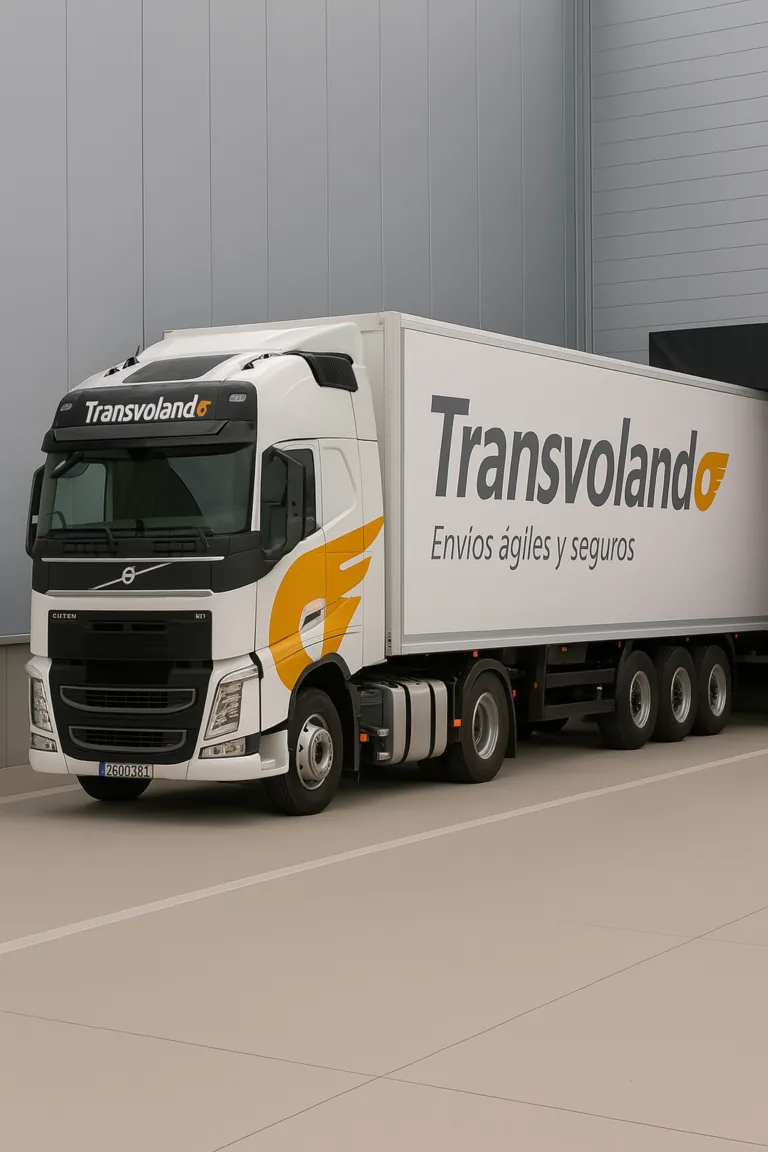
Any contract made with a empresa de transporte is based on previously agreed terms covering schedule specifications, vehicle types for the route, penalties… In other words, everything that the freight transport with the goods involves.Many conditions can be agreed in a contract, which is why in Transvolando We have created packages that include conditions applicable to each of your needs depending on the trip you are going to make with the type of vehicle you need. The types of packages that we can contract are detailed below:
Package contract in transport company
You can make this contract with Transvolando as a transport company, since it focuses on groupage transport, and is divided into three packages: basic, standard and premium. Depending on the type of package you choose, it will have some characteristics or others since, for example, the basic package is recommended only for return trips, which are those that must return to the place of origin. The standard package also has the peculiarity that they are return trucks, but with the difference that they are in different provinces and they detour to pick up your burden.En el caso del premium package,, exclusive trucks are used for your cargo, which means that these trucks are hired specifically to transport your merchandise. This type of service is usually necessary when the cargo is special. How do we know if a merchandise is special? Some indicators include:-Specific schedule: When the merchandise must be delivered or collected at a specific time. -Specific loading/unloading requirements: If the cargo requires particular loading or unloading methods that only a specific vehicle can provide. Opting for the premium package guarantees personalized attention adapted to the needs.Why trust Transvolando?
We not only offer you transportation, but we offer you a service.- Personalized attention
- Order trackings to be informed in real time
- Order processing and help with everything necessary to guarantee the greatest guarantee and facilitate the work to our clients
- Notifications by email of the collection and delivery of the merchandise
- Servicio de Cloud storage for delivery notes, certificates, invoices, permits...
Frequently Asked Questions about Contract with a Freight Company
What critical clauses must a B2B contract with a freight company contain?
Ten mandatory clauses: 1) Party identification and transport authorisation. 2) Detailed services (origin, destination, vehicle, lead time). 3) Rates and payment terms (60 days LCTTM). 4) CETM-linked revision clause. 5) Shipper liability in loading/unloading. 6) CMR + public liability insurance. 7) SLA breach penalty. 8) Claims procedure (LCTTM deadlines). 9) Confidentiality. 10) Termination and jurisdiction. Templates available from CETM.
Is it legal to work only with delivery notes and CMR without a written framework contract?
Legally yes, but highly risky for B2B. Without framework contract: 1) In disputes, default LCTTM applies (may not protect all shipper interest). 2) Open-ended rates — unilateral changes. 3) No measurable SLA — incidents without penalty. 4) Imprecise included services. 5) Complex conflict resolution without framework. For B2B with over 50 shipments/month, annual framework contract is professional standard. Without it, high legal risk.
Who should draft the contract: the agency or me (as shipper)?
Recommendation: 1) SME: agency provides template, your legal team/CETM reviews. 2) Mid-size business: agency base contract + addenda with your specific clauses. 3) Large business: your legal team drafts template and agency signs. Important: agency-provided contracts tend to favour them. Negotiate actively: penalty clauses, deadlines, revision, confidentiality. Specialist external legal advice costs €1-3K but saves €10-50K in future disputes.
What do I do if the agency breaches contract clauses (systematic delay, damage, etc.)?
Progressive procedure: 1) Formal written notice (registered letter or email with read receipt) — sets proof. 2) Cure period (typically 15 days) to fix. 3) If it persists: apply contractual penalty (deduct from invoice). 4) If serious/systemic: early contract termination (exit clause triggered). 5) Court action if damages exceed penalty. Important: document ALL incidents with date, time, description for evidence.
How do I protect confidential information (client data, volumes) in the contract?
Recommended confidentiality clauses: 1) Mutual NDA in framework contract. 2) Limited data access on need-to-know basis. 3) Commitment not to use data competitively against your client. 4) Annual IT security audit. 5) GDPR compliance if handling personal data. 6) Compensation for leak (typically above €100K). For sensitive sectors (pharma, defence, personal data), specific NDA + mandatory ISO 27001.
Need full-truckload (FTL) haulage?
Dedicated lorry for your cargo, 2-hour collection and the same contact throughout.