Transporters are the most affected by the state of the roads in Spain. And unfortunately the quality of our roads in some specific sections leaves much to be desired. It is an important fact that approximately one 95% of national transportation is carried out by road, the rest being air and sea transport. This should be a compelling reason for the relevant institutions to take charge and will restore optimal road conditions. This would avoid a high percentage of the claims that occur in the transport of special loads and would also impact the tiempos de entrega.
What is full truckload transport?
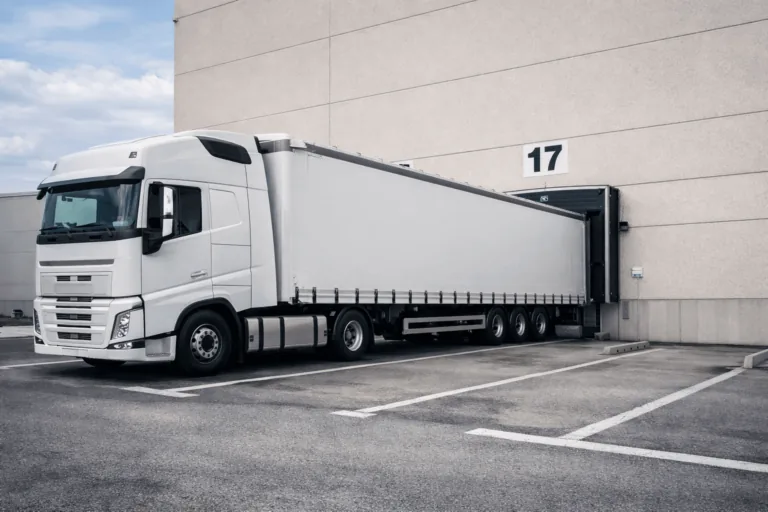
Full truckload transportation refers to a dedicated service that uses a dedicated vehicle to transport a single customer's merchandise from origin to destination. This method is ideal for large volume shipments or special loads that require specific conditions, guaranteeing full control over the logistics process and minimizing intermediate manipulations that could affect the integrity of the load.
Differences with other types of transport
Unlike groupage transport, where space is shared with other goods, full loads offer an exclusive and personalized service. While intermodal transportation combines several means of transportation, this method keeps the cargo in the same vehicle, reducing risks of damage and simplifying the logistics chain for sensitive or high-value cargo.
Efficiency and safety benefits
The transportation of full loads optimizes delivery times by eliminating intermediate stops and consolidation processes. By not sharing space with other goods, the risk of cross-contamination, damage or theft is reduced, especially important for dangerous or perishable cargo. The direct route and the dedicated vehicle allow greater precision in planning and monitoring, ensuring that the merchandise arrives in optimal conditions and within the established deadline.
Repercussions of poor road conditions on the transportation of goods
Yes indeed, the poor condition of a road can be very significant. And these are some of the problems that come with it:
- The Drivers’ health is paramount due to the long hours spent behind the wheel. Driving on poorly maintained roads can cause neck, back, lumbar pain, headaches, and dizziness, increasing the risk of accidents.
- The fatig adriving lorries on damaged roads is a problem. Drivers have to deal with potholes and poor pavement, which increases wear and can lead to drowsiness on long journeys.
- The Poor road conditions It causes increased wear and damage to trucks, shortening their useful life and increasing costs for companies.
- Bad roads increase accident, even when drivers are careful. Unmarked slips and potholes can cause incidents.
- Incidents in the merchandise:: When it comes to delicate merchandise, these sudden and unforeseen bumps can cause items to break.
- delivery times: When encountering sections with difficult traffic, the driver has to slow down and make stops more frequently, which also has an impact on delivery times. Something that can mean many losses for the company.
- More fuel: Since the vehicle has to make a greater effort because the asphalt is not in good condition, it consumes more, because it needs extra energy to move, braking and changing gears more frequently cause more gasoline to be used.
Risk of Accidents and Delays
The poor condition of the roads significantly increases the risks in road transport, especially with heavy or large-volume goods. Potholes, uneven surfaces and lack of maintenance can cause accidents, damage to cargo and delays in delivery times. This requires greater caution on routes and more flexible logistical plans to guarantee safety and punctuality.
Additional costs for transport companies
Poor roads generate unforeseen expenses for transportation companies, such as increased fuel consumption, accelerated vehicle wear, and frequent repairs. In addition, delays due to routes in poor condition can imply penalties for non-compliance with schedules, affecting the profitability of transportation services. Full loads .
Transport of machinery: challenges on the road
The Machinery Transport Heavy duty vehicles face particular difficulties on poorly maintained roads. The dimensions and weight of this equipment require tracks in optimal conditions to avoid structural damage or accidents. Planning alternative routes and using adapted vehicles are key to overcoming these obstacles and ensuring safe and efficient deliveries.
Special transportation service: solutions to limitations
Faced with infrastructure limitations, the road transport service must adapt with innovative solutions. This includes vehicles with reinforced suspension, previously evaluated routes and special permits to circulate in adverse conditions. These measures minimize risks and ensure that delicate or large loads reach their destination without incident.
Do you need reliable transportation?
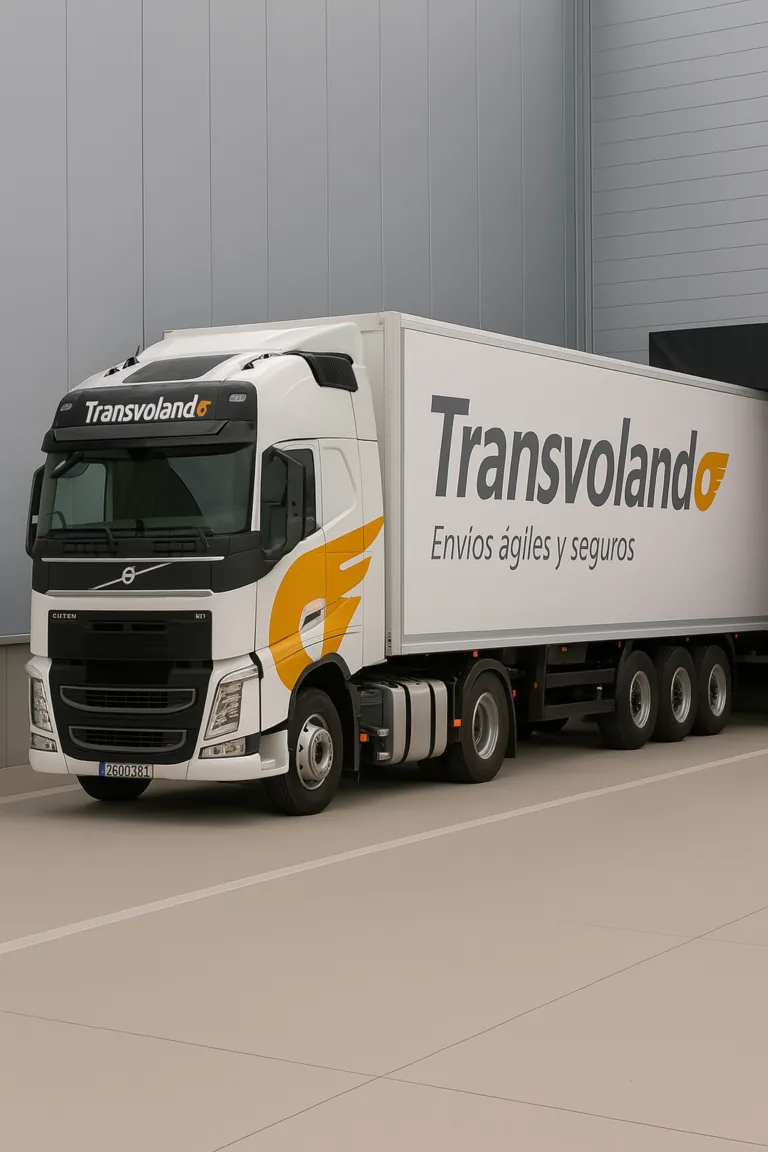
If you are looking for a transportation service capable of handling full or special loads in any road condition, count on Transvolando It is essential. Offering personalized solutions, from route selection to the right equipment, ensuring your goods arrive safely and on time, no matter the challenges along the way.
Request your quote in under 3 minutes with a single click
Frequently Asked Questions about Full Truckloads and Road Condition Impact
How does Spanish road condition affect FTL cost and lead time?
AEC data: 1) State road network in poor condition: 23% (2024 data). 2) Vehicle repair costs +12-18% on routes with frequent potholes. 3) Transport time +8-15% due to detours and reduced speed. 4) Damaged goods risk +25-40% on fragile loads. 5) Higher fuel consumption +5-10%. Total FTL cost impact: +15-25% on affected routes. Businesses that negotiate optimal routes with their agency: 10-15% saving.
Which Spanish routes have the worst condition for FTL in 2026?
AEC 2024-2025 data critical routes: 1) N-630 (Vía de la Plata Salamanca-Seville): 35% poor quality. 2) N-260 (Pyrenean Axis): 28%. 3) N-621 (Cantabria-Palencia): 30%. 4) Castilla-La Mancha and Extremadura county roads: 25-30%. For FTL on these routes: contract clause on specific incidents, reinforced insurance, reinforced Euro 6 vehicle. Informed logistics business: warns you before accepting route.
Which type of cargo is most affected by poor road condition?
Four most-affected categories: 1) Fragile (electronics, glass, ceramics): +40% damage risk. 2) Liquids in drums (intensive handling): +25%. 3) Bulk loads without optimal restraint: +30%. 4) Pharma cold-chain products (vibration affects): +20%. B2B solution: 1) Anti-vibration reinforced packaging. 2) Air-suspension vehicle. 3) Load well-secured (strap every 1.5m). 4) Cargo insurance. 5) Euro 6 vehicle with modern suspension. Investment: justifiable.
What obligation does the freight agency have regarding vehicle and road condition?
Five LOTT/LCTTM obligations: 1) Vehicle in perfect mechanical condition (current MOT). 2) Driver with CAP and rest periods complied. 3) Route information and specific conditions. 4) Current CMR + public liability insurance. 5) Delivery manifest with incident notes. If poor road causes damage: agency liability unless documented force majeure. For B2B: ask for road-incident management protocol and compensation.
How do I protect my cargo and business when the route has poor road condition?
Five combined measures: 1) Anti-impact reinforced packaging (5-15% investment). 2) Broad all-risk insurance (not basic). 3) Expanded liability contract clause. 4) GPS tracking + impact/temperature/humidity sensors. 5) Certified transport company (ISO 9001 + 14001 + GMP protocol if applicable). Total extra cost: +10-20% on standard rate. ROI vs incident: paid once vs cargo replacement 5-10x.
Need specialist haulage?
Loads that won't fit a standard trailer — we handle permits, routing and escort.