Cambios en la Ley de Transporte por carretera en España.
En los preámbulos de esta nueva ley de transporte de mercancías, el legislador enfatiza la “situación de penuria” que muchos transportistas y sus empleados enfrentan.Dada esta situación, es obligatorio tomar medidas legales para proteger a los transportistas y, en general, a toda la sociedad que depende del transporte por carretera para acceder a bienes esenciales como alimentos, combustibles y otros productos de uso diario.El legislador reconoce que esta disparidad representa un riesgo de “tensiones en la prestación de servicio y en el funcionamiento adecuado de la cadena logística”. La implementación de estas nuevas regulaciones en el transporte de carga redefine el marco de la relación entre transportistas y cargadores. Prohibición de carga y/o descarga
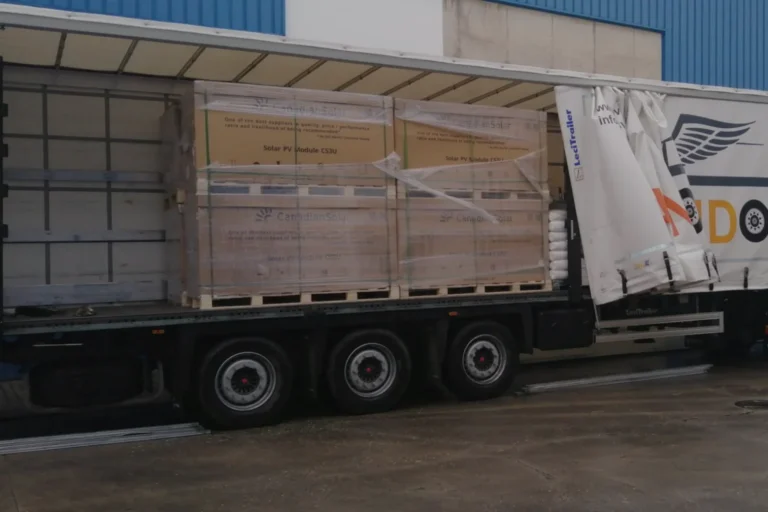
La nueva normativa cambia el proceso de gestión logística de la carga al prohibir que los transportistas realicen las operaciones de carga y descarga en mercancías con un peso superior a 7,5 toneladas de masa máxima autorizada (MMA), por lo que estaríamos hablando del transporte de cargas pesadas.Se establecen excepciones para servicios específicos como mudanzas y guardamuebles, transporte de líquidos en cisternas, transporte de áridos o vehículos basculantes.De acuerdo con la nueva ley de transporte, la carga de las mercancías será responsabilidad del cargador, mientras que la descarga recaerá en el destinatario.No obstante, el transportista podrá llevar a cabo estas tareas, así como la estiba y desestiba, bajo dos condiciones:- Cuando la mercancía tenga una MMA inferior a 7,5 toneladas.
- Cuando dichas actividades sean contratadas y estén claramente desglosadas en la factura.
Actualización automática de las tarifas en función del precio del combustible
El constante aumento del precio del combustible representa uno de los desafíos más significativos en el ámbito logístico. Las recientes alzas sin precedentes absorben una parte considerable de los beneficios del transportista.Para abordar esta problemática, la reciente actualización de la normativa en el transporte terrestre de mercancías en España, establece la obligación de revisar las tarifas, incorporando el aumento del precio del gasóleo u otros combustibles en el coste final del servicio de transporte.Esta disposición se aplicará siempre que las fluctuaciones de precios superen el 5% entre el momento de la contratación del servicio y su ejecución. Dichas tarifas deben ser claramente especificadas en la documentación de transporte particularmente en la factura.Limitación a una hora de tiempo de espera para carga y descarga
Un prolongado tiempo de espera para la carga y/o descarga de un vehículo aumenta innecesariamente la jornada laboral del transportista. Esta situación dificulta su capacidad para conciliar la vida familiar, reduce los períodos de descanso y puede representar un riesgo al volante.Con el objetivo de promover una logística y distribución más sostenible desde el punto de vista social y laboral, la nueva legislación establece un límite máximo de una hora para el tiempo de espera. Una vez transcurrido este período, el transportista tiene derecho a solicitar una compensación por la paralización. El monto de la indemnización equivale al Indicador Público de Renta de Efectos Múltiples (IPREM) por día, multiplicado por 2 por cada hora o fracción de tiempo de espera.En 2023, el IPREM es de 40€/hora, y no se pueden reclamar más de 10 horas de compensación por día. En caso de que el período de espera se prolongue, la ley contempla un aumento del 25% en la penalización para el segundo día, y un 50% adicional si se extiende hasta un tercer día.Sanciones por incumplimiento de la ley de transporte.
Todas estas medidas, junto con otras dirigidas a prevenir la proliferación de las llamadas “empresas buzón”, que representan una competencia desleal significativa, son de cumplimiento obligatorio. En caso de incumplimiento, los cargadores pueden enfrentarse a sanciones de gravedad considerable, llegando hasta los 6.000€.¿Cómo impacta esta medida en el transporte de mercancías?
El cumplimiento de la nueva ley de transporte ha tenido un impacto significativo en las empresas de transporte de mercancías, al atender varias de sus demandas laborales. No obstante, también ha generado la necesidad de revisar las operaciones de carga y descarga por parte de los cargadores y destinatarios de las mercancías.Además, se requiere la contratación de empresas de transporte de carga y descarga especializadas para estas tareas, lo que implica un aumento en los costos laborales. Además, se hace imperativo optimizar los procesos de recepción de mercancías y mejorar la coordinación entre los cargadores y los transportistas, ya que menos retrasos implican menos costos adicionales.Aún queda por establecer un estándar para la certificación de las áreas de carga y descarga en relación con las instalaciones y los servicios disponibles. Esta certificación estará a cargo del Ministerio de Transportes, Movilidad y Agenda Urbana (MITMA).Solicita presupuesto de nuestro servicio de transporte de mercancías
En nuestra empresa cada día se realizan con éxito numerosos envíos, y nuestros clientes quedan completamente agradecidos y satisfechos con nuestro equipo.Si necesitas calidad y seguridad para gestionar los envíos de tu empresa, solicita presupuesto de nuestro servicio de transporte de mercancías.¡Te esperamos! Solicita tu presupuesto en menos de 3 minutos a tan solo un clic.Preguntas Frecuentes sobre Nueva Ley de Transporte Terrestre
¿Qué cambios introduce la última reforma de la Ley de Transporte Terrestre en España?
Reforma 2021 (Ley 13/2021) — cambios principales: 1) Prohibición carga/descarga por conductor (responsabilidad del cargador y receptor). 2) Pago obligatorio en máximo 60 días desde factura. 3) Derecho del transportista a actualizar tarifa si gasóleo sube >5%. 4) Responsabilidad solidaria del cargador si encarga a transportista sin licencia. 5) Cláusulas de revisión automática vinculadas a CETM. Las empresas deben adaptar contratos marco anuales para cumplir.
¿Cómo afecta la prohibición de carga/descarga al conductor a mi operativa?
Para empresas cargadoras: 1) Debes disponer de personal o equipo propio para carga/descarga (mozos, carretilleros). 2) El conductor solo conduce — no manipula. 3) Si tu almacén no tiene personal, contrata servicio externo (25-40€/hora) o requiere a tu agencia incluirlo en tarifa. 4) Tiempo de espera del conductor en muelle: facturable a partir 2h (típicamente 30-50€/h). Adapta procesos de almacén para evitar sobrecostes y cumplir legalidad.
¿Qué sanciones aplica la nueva ley si no pago al transportista en plazo legal?
Régimen sancionador: 1) Pago entre 60-90 días desde factura: infracción leve, sanción 1.000€. 2) Pago >90 días: infracción grave, sanción 1.000-6.000€. 3) Reincidencia: infracción muy grave, sanción 6.000-18.000€. 4) Adicionalmente: intereses de demora (8-10% TAE típico). 5) Posible inscripción en lista pública de morosos (afecta reputación). El transportista puede denunciar directamente a la Inspección de Transporte. Ajusta tu cash flow para cumplir 60 días.
¿La nueva ley obliga a tener contrato marco escrito o sigue valiendo el albarán?
Aunque legalmente el albarán/CMR sirve como prueba de transporte, la práctica B2B exige contrato marco escrito anual con la agencia. Cláusulas críticas: 1) Tarifas, plazos pago y servicios incluidos. 2) Responsabilidades carga/descarga. 3) Penalizaciones por retraso/incidencia. 4) Cláusula revisión vinculada CETM. 5) Procedimiento reclamaciones. Sin contrato escrito, en disputa rige LCTTM por defecto que puede no proteger interés del cargador. Modelos disponibles en CETM.
¿Qué impacto tiene la cláusula de revisión automática por gasóleo en mi presupuesto anual?
La cláusula gasóleo-CETM permite al transportista subir tarifa si el gasóleo profesional sube >5% en un trimestre. Impacto medio empresa B2B: 1) Subida típica trimestral 1-3% sobre tarifa base. 2) Subida acumulada anual 4-8% en años de volatilidad alta. 3) En 2022-2023 esta cláusula provocó subidas hasta del 18% anual. Cómo gestionarlo: 1) Reserva en presupuesto un 8-10% adicional para 2026. 2) Revisa contrato cada 6 meses. 3) Cláusula bidireccional (también baja si gasóleo cae).
¿Buscas transporte de mercancias internacional?
Calcula tu presupuesto y descubre cuál es la alternativa más adecuada para tu próxima expedición internacional.