How to choose fixed routes and suitable trucks to optimize national cargo transportation
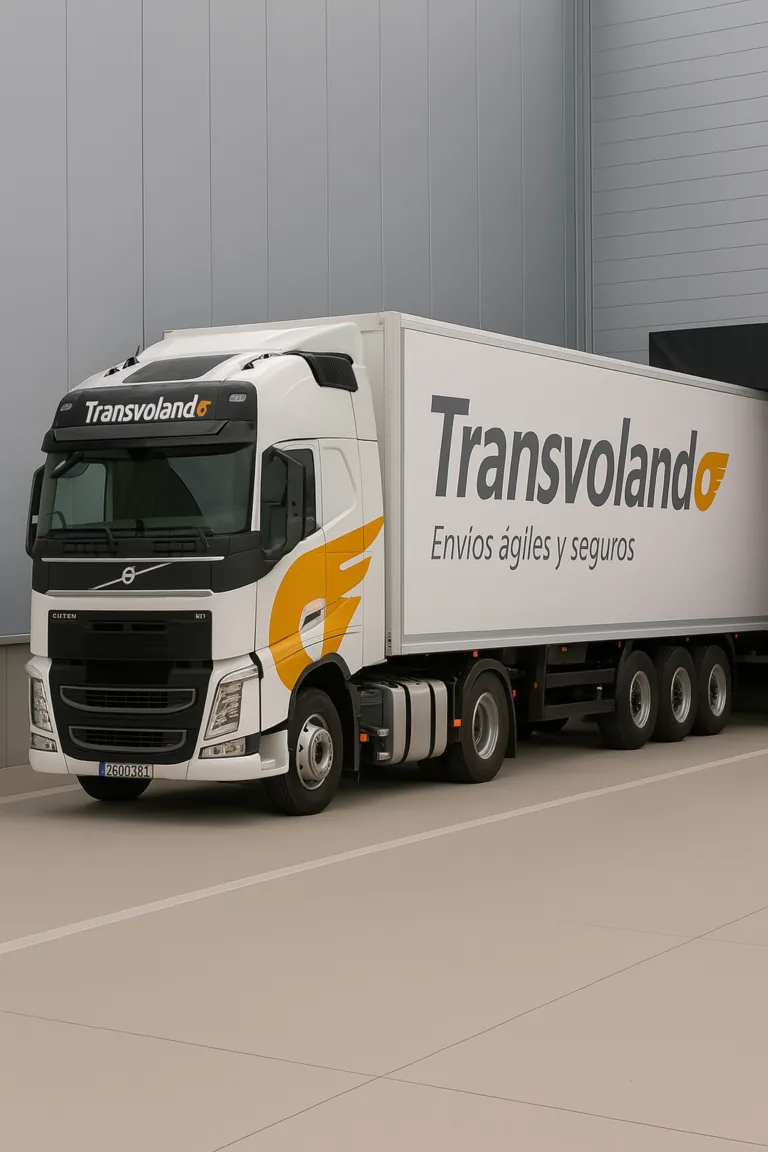
Move large volumes in national freight transport It's not just “getting trucks.” The bottleneck appears when you depend on groupage, last-minute confirmations and poorly sized vehicles. Result: irregular times, breakages, surcharges for stoppages and cost spikes that are impossible to explain to management. Each extra handling in a groupage multiplies the risk: more transfers in cross-dock, more waits to complete the route and more missed delivery windows. The “cheap” unit cost of groupage becomes more expensive with incidents, losses and lack of visibility. Furthermore, using the wrong truck (rigid when you need a trailer, or tautliner when you should go with a mega) generates inefficiency: half-baked trips, unprofitable gaps and penalties for not arriving on time. Commercial planning suffers, the warehouse goes into firefighter mode and your team loses focus. Standardize with fixed routes, the right vehicle and an operator who acts as an extension of your logistics. This is how we work at Transvolando:- Rutas fijas with reserved capacity: Weekly calendar and agreed slots (departures/deliveries) per lane. You should focus on having a guaranteed quota and stable price to anticipate costs and ensure slots in peaks.
- The right truck for every need:
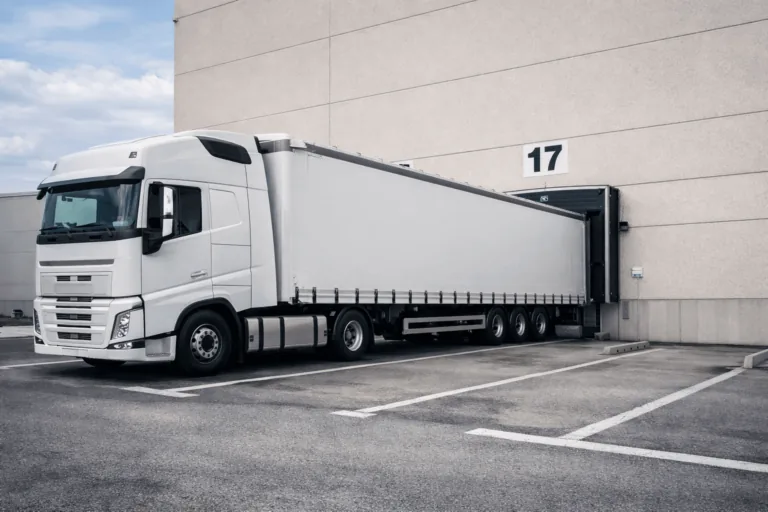
- Trailer 13.6 m (tautliner): up to 33 euro pallets; Versatile for most national lanes.
- Mega trailer (up to 3 m interior): ideal for high volumes and tall packaging without disassembling.
- 18T rigid with lifting platform: capillary distribution or points with access restrictions.
- Platform/gondola: machinery, tubes, coils or heavy parts that require specific anchors and tools.
- When to avoid groupage;
- If your typical shipment exceeds 20–28 Euro pallets or >40–60 m³, groupage often adds handling and delays.
- If your deliveries are time-critical or with strict windows, the consolidation puts the OTIF at risk.
- If your product is sensitive to bumps/scuffs, each extra transshipment is a potential cost.
- Operation with 24/7 control:
- Dedicated manager, tracking milestones (loading, departure, arrival at platform, POD) and proactive communication.
- Incident protocols and documented plan B (alternative vehicle/alternative route).
- KPIs and continuous improvement:
- OTIF, confirmation times, zero damage ratio and stable monthly cost per pallet/m³.
- Quarterly review to adjust fleet, frequencies and packaging.
How do we guide you?
En Transvolando we design your rutas fijas, we assign customized vehicles and eliminate dependencies on groupage when it penalizes your service. We give you cost predictability, fewer breakages and deliveries that arrive “on the first try.”
Ready to turn your volumes into a competitive advantage? Let's talk and make your plan.
We are waiting for you! Request your quote in less than 3 minutes at just one click.Frequently Asked Questions about Companies with Large Volume Cargo
What is considered “high volume” in B2B transportation and when does it justify a dedicated fleet?
Operational thresholds: 1) Small company: <50 envíosmes — agencia óptima. 2) empresa mediana: 50-300 contarifa anual fija. 3) gran volumen: 300-800 modelo híbrido (agencia + flotadedicada parcial). 4) volumen masivo:>800 shipments/month — own fleet or consortium can compensate. The line between 200-500 shipments/month is where it is really convenient to calculate exact ROI, not decisions by intuition.
What specific solutions exist for businesses with seasonal cargo flows or peaks?
Four models to manage peaks: 1) Annual reserved capacity: you pay a fee to guarantee N vehicles in peak (typically 60% of the spot cost). 2) Flexible contracts with an “elasticity” clause (you increase volume by 30% without penalty). 3) Consolidated pool with other non-competing companies in the same sector. 4) Digital capacity auction platform (dynamic matching). For sectors with clear seasonality (Christmas e-commerce, grape harvest, etc.), reserved capacity is the safest option.
How is large-volume transport billed and what discounts can I expect?
Three billing models: 1) Per-shipment rate (standard small volume). 2) Per-kilometre rate (dedicated FTL above 24t). 3) Flat monthly fee with N shipments included (best above 200 shipments/month). Typical discounts: 100-300 shipments/month 8-12%, 300-600 shipments/month 15-20%, above 600 shipments/month 22-30%. Cash payment adds 2-3% extra. Always negotiate an escalation clause tied only to CETM (not general CPI).
What KPIs should I track if I manage over 500 shipments per month across several destinations?
3) % incidents / 1,000 shipments. <24h). 5) Utilización vehículo (objetivo >85% capacity). 6) CO2 footprint per ton (relevant CSRD). 7) Geographic coverage (% routes with SLA met). TMS (Transport Management System) platforms automate these KPIs, avoiding manual Excel sheets.
Is it cost-effective to consolidate logistics with a single agency or diversify across several?
Strategic analysis: 1) Single agency: simpler management, better volume discount, but high risk if it fails (strike, bankruptcy). 2) Two agencies (80/20 split): operational safety, permanent benchmarking, but more complex management. 3) Three or more: only justified above 2,000 shipments/month in different geographies. General recommendation: one main agency (80% volume) plus a secondary (20%) for specific routes or peaks. Avoid 100% dependency.
Need express freight?
You need it now. We collect within 2 hours and update you at every stage.