The Environmental Challenge of the Transportation Sector
Freight transportation is a fundamental sector in the economy of any country. It allows the distribution of goods and raw materials throughout nations, guaranteeing a constant flow of products. However, this sector also generates a significant amount of greenhouse gas emissions and consumes large amounts of energy.The Importance of Addressing Environmental Impact
One of the most pressing challenges for freight transportation is its environmental impact. Reliance on oil as a fuel source has led to an increase in emissions of carbon dioxide and other air pollutants. Although cleaner alternatives exist, such as natural gas and electric batteries, their adoption is not yet widespread in the transportation industry.Solutions for Sustainable Transportation
To address environmental impact and promote sustainability in freight transportation, many companies are adopting cleaner solutions. Trucks that run on natural gas, for example, are an option that is gaining popularity. These vehicles are more efficient from an environmental point of view, emitting zero pollutants and reducing substances harmful to both the environment and human health.Improving Transportation Efficiency
Efficiency is an important objective for transport companies. Not only does it benefit the environment, but it also saves costs in the long run. More efficient transportation means less fuel used and therefore a reduction in harmful emissions. Measures that can be taken to achieve more efficient transport include groupage transport and optimization of return journeys.Groupage Transport to Reduce Emissions
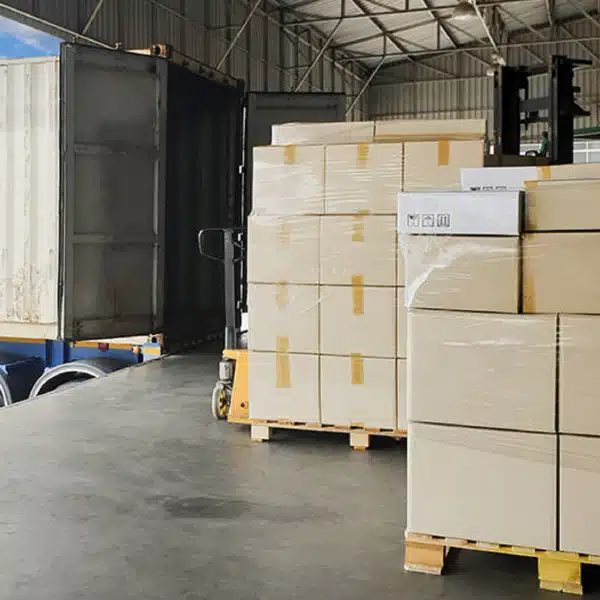
Groupage transportation involves sharing space on a truck for small shipments. This strategy makes it possible to make the most of the loading capacity of vehicles and reduce the number of trips with partially empty trucks, which translates into lower fuel consumption and fewer emissions.Return Trips: An Efficient Strategy
Another efficient measure is the use of return trips. Many transport vehicles return empty after delivering a load. When coordinating shipments in the return journey,, companies can optimize the use of their resources and further reduce costs and emissions.Combination of Groupage and Return Trips
The combination of groupage transport and return trips not only benefits companies in terms of efficiency and profitability, but also has a positive impact on the environment by reducing environmental emissions. This approach is a smart strategy that promotes sustainability in freight transportation.Conclusion
In short, freight transportation is essential for economic development, but its environmental impact is a significant challenge. Adopting cleaner technologies and practices, such as natural gas trucks and travel optimization, are important steps to reduce emissions and promote sustainability in this vital sector. The combination of these measures allows for greater efficiency and profitability, while contributing to the protection of the environment.How much does your shipping cost?
Request your quote in less than 3 minutes at just one click.Frequently Asked Questions about Transport Environmental Impact
What environmental footprint does road freight transport generate in Spain?
CETM/MITECO 2024 data: road transport emits 25% of national CO2, where freight accounts for 35% of total transport (8.75% national). Per ton-km: 24t trailer emits ~62 g CO2/ton-km, 3.5t van emits ~180 g/ton-km. Comparison: rail 17 g/ton-km, sea 11 g/ton-km. To cut your footprint, prioritise full trailer and groupage consolidation instead of individual vans.
How does my business measure the real environmental impact of the transport it contracts?
3) Convert to Scope 3 category 4 (upstream transport).
What decarbonisation targets does the EU set for freight transport 2030-2050?
EU roadmap: 1) 2030: -55% GHG emissions vs 1990 (Fit for 55). 2) 2035: ban on the sale of new diesel vehicles <3,5t. 3) 2040: -90% emisiones vehículos pesados nuevos vs 2019. 4) 2050: neutralidad climática (Net Zero). Empresas B2B deben adaptar plan de descarbonización: transición a flota baja emisión, optimización rutas, sustitución modal carretera-tren. Empresas que no se adapten: pérdida licitaciones públicas, sanciones CSRD/CBAM, peaje carbono.
What technologies reduce transport emissions and when will they go mainstream?
Five technologies and horizon: 1) Battery electric truck: routes <300 km, mainstream 2028-2030. 2) Camión hidrógeno verde: rutas largas, mainstream 2032-2035. 3) Biocombustibles HVO: ya disponible, drop-in (sin cambio vehículo). 4) Aerodinámica activa: -8 a -12% consumo, ya disponible. 5) Pelotón conectado autopistas: -10% consumo + siniestralidad, mainstream 2027. Empresas que invierten en flota verde antes que competidores capturan ventaja en licitaciones B2B.
How do I communicate the environmental commitment of my supply chain to B2B clients?
Five elements of credible communication: 1) Scope 3 transportation audited data (not marketing). 2) 2030 reduction plan with annual KPIs. 3) ISO 14001, Lean & Green Certifications. 4) Official CSRD Reporting (audited annual report). 5) Specific reduction success stories (not generic “we are green”). Avoid greenwashing: B2B clients verify data. Companies with real commitment gain advantage in public tenders + 15-25% higher customer retention.
Need part-load / groupage?
Your pallets ride with other consignments. Save the full-lorry cost without missing your delivery date.