Transport of Industrial Goods
Features and Logistics
The transport of industrial goods is a type of transporte especial which requires meticulous planning due to the diversity of products and their features. It does not have a strict classification, as it covers a wide variety of elements, which may include:
- Materials: such as cement, metal and chemicals.
- Maquinariasuch as excavators, agricultural equipment, and cranes.
- Assembly components:: such as aluminum profiles and tyres, which are used in assembly lines.
This type of transportation can be carried out by road, sea or air, depending on the type of cargo, destination, product characteristics and delivery times.
When it comes to international shipments of industrial goods, sea or air transport is generally chosen, using ships and planes. It is essential to keep in mind that, in the case of dangerous goods, such as chemicals, they need to be labeled, packaged and stored properly.
What types of vehicles are used to transport industrial goods?
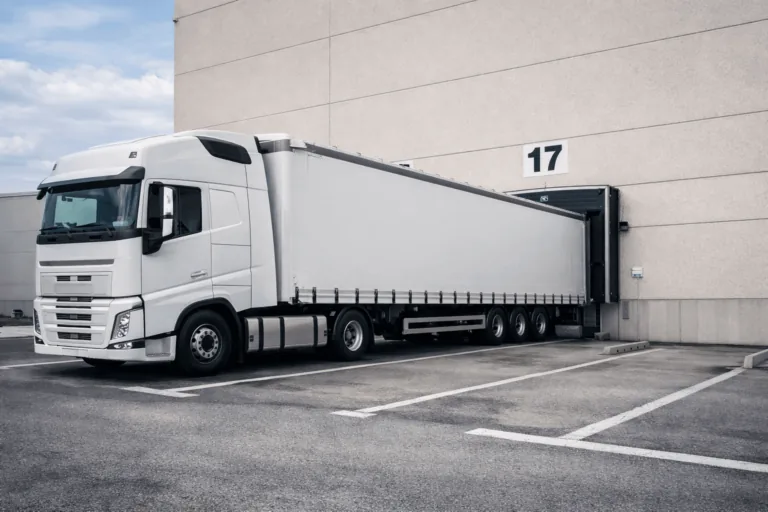
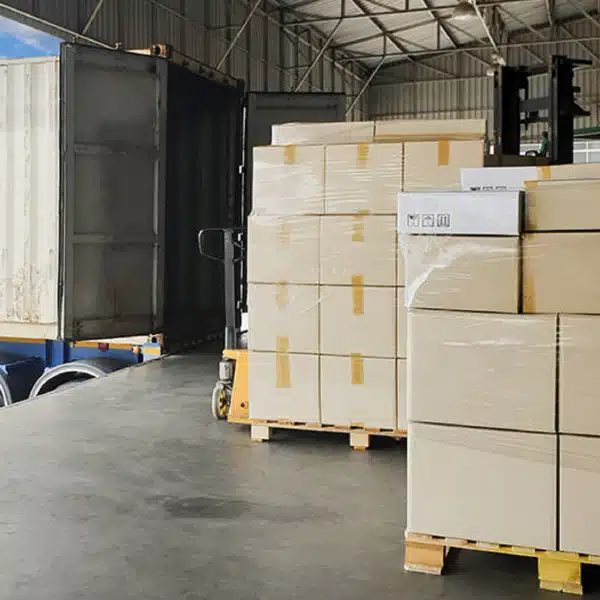
When it comes to transporting iron, it is important to use vehicles with roofs and sides that can be opened. In the case of paper in reels, it is recommended to use vehicles that allow lateral opening to facilitate unloading with mechanical bulls. To transport pallets, unloading is usually done at docks, so it is advisable to use vehicles with rear unloading capacity. Furthermore, to protect the merchandise from the rain, it is advisable to opt for a tauliner vehicle.
You have to know well what is being manufactured and what is the material that is going to be transported, to later know which is the best vehicle to be able to carry out the transport from the loading place to the unloading place with the least possible inconvenience.
Request your quote in under 3 minutes with a single click
Frequently Asked Questions about Industrial Goods Transport
What characteristics does B2B industrial goods transport have?
Five specifics: 1) Frequent heavy loads (above 1,500 kg/pallet average). 2) High-value cargo (industrial electronics, machinery, components). 3) Critical lead time (end client production line). 4) Reinforced traceability (quality audit). 5) Specific industrial packaging (wooden crates, technical foam). For B2B industrial, a specialist agency with own fleet + ISO 9001 is standard. Rates 15-30% higher than commodity transport.
What types of industrial cargo require special transport?
Five common categories: 1) Heavy machinery (excavators, generators, transformers) above 5t/unit. 2) Sensitive electronic components (vibration, temperature). 3) ADR chemical products (dangerous goods). 4) Steel, concrete, glass (oversized). 5) Aerospace and rail components (high precision). Each category requires specific fleet: low-loader, isothermal, ADR-certified. Verify specific certifications before contracting.
How do I manage traceability and quality in B2B industrial transport?
Standard 5-step procedure: 1) Specific labelling per parcel (internal + client reference). 2) Pre-load photo of cargo condition. 3) Real-time GPS tracking visible to end client. 4) Temperature/vibration sensor if applicable (electronics, pharma). 5) Delivery photo + digital client signature. Monthly quality audit (% incidents, resolution time). Without tracking: impossible to justify complex claims. Cost: included in professional agency standard rate.
What SLA should I require contractually for critical B2B industrial transport?
2) Response time for customer queries How do I insure high-value industrial cargo during transport? <2h horario laboral. 3) Penalización por hora retraso (200-500€/h). 4) Vehículo respaldo activado <3h en avería. 5) Resolución reclamaciones <72h. Sin estos SLAs en contrato, no contrates para industrial crítico. Tarifa con SLA premium: 15-25% sobre estándar. Justificable en B2B industrial donde un retraso de 1 día puede costar 50.000€ a tu cliente.
How do I insure high-value industrial cargo during transport?
Four recommended cover levels: 1) Standard CMR (included) — covers around €21/kg. 2) Ad valorem with value declaration (premium 0.3-0.8% of value). 3) All-risk with specific cover (theft, force majeure) (premium 0.5-1.2%). 4) End-client lost profits cover. For €200K industrial shipment: total premium ~€1,000-2,500. ROI: covers 100% of risk vs limited standard CMR. Essential for high value.
Need full-truckload (FTL) haulage?
Dedicated lorry for your cargo, 2-hour collection and the same contact throughout.