Ventajas del transporte internacional de Transvolando
- Nuestra experiencia te da garantías de confianza a la hora de realizar tu transporte internacional de manera total, dejando que te ocupes del resto de temas de tu compañía, que del transporte lo hacemos nosotros.
- Hacemos funcionar la cadena de suministro de una manera 100% segura.
- Ofrecemos una solución de servicio completo con un único punto de contacto para cada envío. De esta manera siempre sabrás con quién contactar por si necesitas hacer algún cambio de última hora o alguna nueva solicitud especial, como paradas o escalas en la ruta.
- Nuestro sistema de gestión nos permite optimizar y seguir paso a paso los trayectos de nuestra flota durante el servicio de transporte.
- En nuestra web tienes a tu alcance un sistema de presupuesto prácticamente al instante con asesoramiento por parte de nuestro equipo totalmente personalizado.
- Conquistas nuevos mercados europeos porque te brindamos cobertura en todo el territorio europeo (Se parte de la UE o no)
- Contamos con un equipo experto que está a tu servicio para ayudarte y optimizar la gestión del transporte. Asegurando que sea eficiente y seguro de principio a fin. Nuestros chóferes velan por tu mercancía desde el proceso de carga hasta la descarga en el destino.
- Somos rentables porque diseñamos un plan de viaje para garantizar la rentabilidad del servicio y ofrecerte los mejores precios del mercado.
- Te ayudamos a identificar áreas clave de mejora en tu cadena de suministro.
- Somos expertos en logística integral, nos encargamos de intermediar entre empresas productoras. Por tanto, las cuestiones relacionadas con la logística ya no serán para ti un problema con nosotros.
3 aspectos a tener en cuenta en tu transporte internacional de mercancías
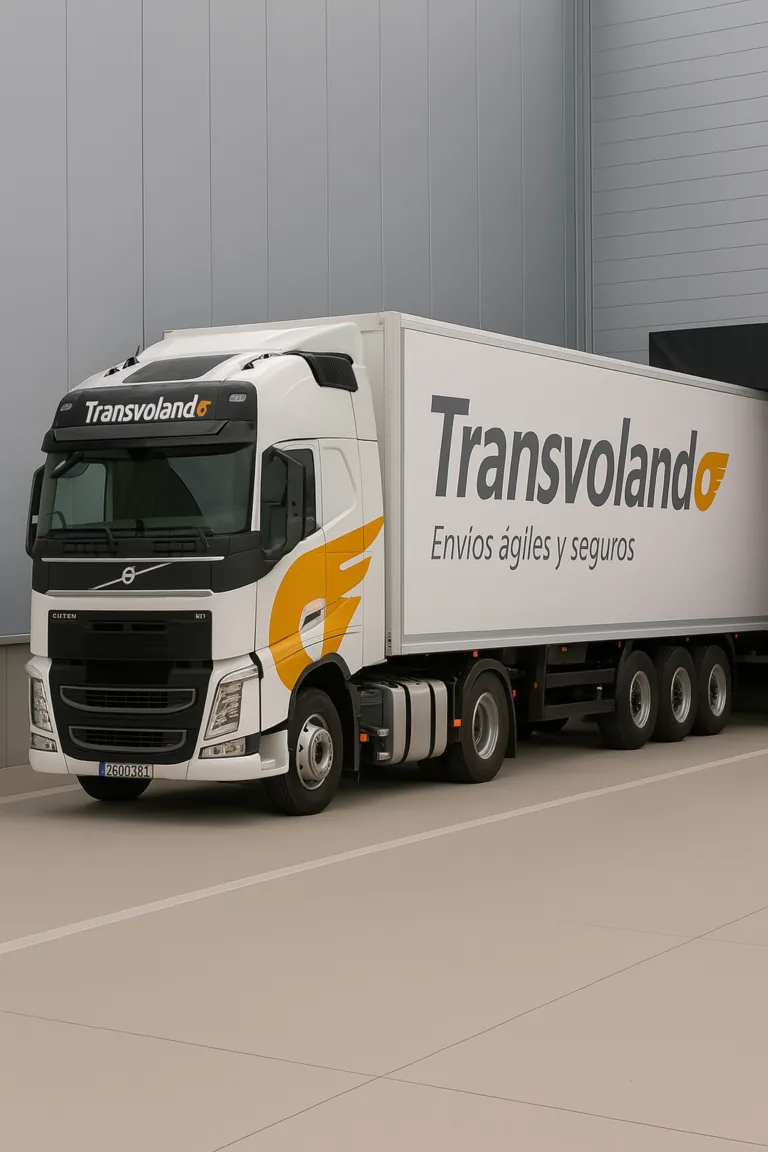
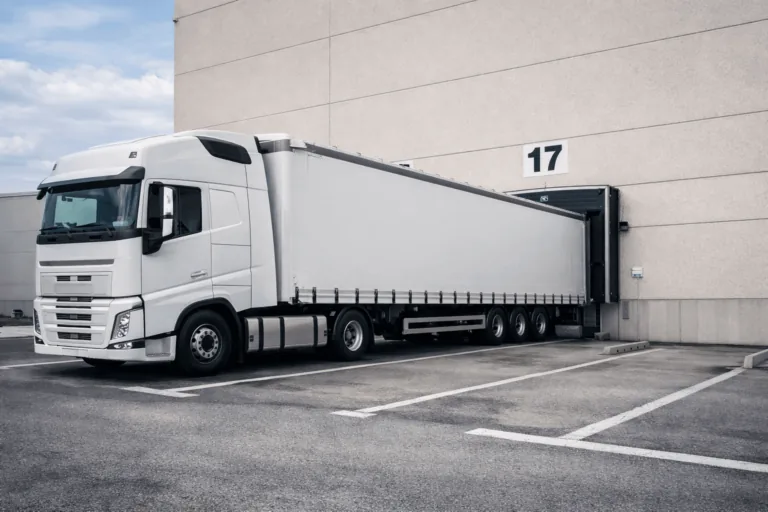
Recopilar toda la información de envío y presentarla en el formulario requerido es crucial para completar el envío internacional de carga, ya que completar la documentación y proporcionar la documentación requerida puede ser un desafío, y un solo error puede resultar en una falla y que no se pueda realizar el transporte debido a las aduanas, hay que tener en cuenta lo siguiente: Proporcionar información completa y verazDebes compartir con Transvolando toda la información sobre las características de tu transporte para poder realizar el envío internacional. Esto algo crucial porque solo así podremos completar el envío internacional de manera correcta.Seguimiento Mediante nuestro sistema de optimización y seguimiento de rutas, conseguimos llegar al destino dentro de la fecha establecida.Flota de alto nivelDisponemos de una flota propia de camiones de gran tamaño para transportar maquinaria y mercancía de gran volumen (incluso con capacidad de carga de hasta 41 toneladas)Contamos con góndolas ideales para el transporte de mercancías, maquinaria pesada y agrícola, además de con una plataforma hidráulica ideal para los transportes que requieran una carga lateral.
Gestión de aduanas: Rutas internacionales para exportación
El proceso de aduanas es un paso crítico y clave en un envío internacional. Para llevarlo a cabo con éxito debes gestionarlo correctamente y nosotros somos expertos en organización y ejecución de todo tipo de transportes internacionales de mercancías: recopilamos documentos y ejecutamos el proceso de aduanas correctamente. Te lo garantizamos.Para ciertos países es necesario gestionar de manera correcta los servicios de aduanas para que tu transporte internacional sea un éxito y contar con nuestra experiencia en este campo te dará tranquilidad porque, al conocer a la perfección las reglas y normativas, desde Transvolando te informaremos con total transparencia de los costes de las aduanas por adelantado para evitarte sorpresas.Transporte internacional urgente
Para que una empresa pueda entrar en el mercado europeo, lo cual puede parecer impensable y un gran reto, necesitas buscar una empresa de transporte que te aconseje sobre ello para no encontrarte solo y sin saber que hacer sobre cómo actuar ante los envíos y las circunstancias que pueda ocasionar cada envío.Antes de lanzarte a exportar te recomendamos que des respuesta a estas sencillas preguntas.- Identifica tu nicho de mercado: ¿Qué hace diferente mi producto y qué lo diferencia del resto del mercado?
- Revisa su competencia: ¿Qué otras marcas o compañías de mi sector ya están operando en Europa y dónde?
- Ajústate al mercado: ¿Cómo comercializará mi producto en países de Europa? Ten en cuenta que vender en España no es igual que vender en Finlandia.
- Verifica la adaptabilidad de tu producto a ese nuevo mercado: ¿Funcionará mi producto tal y como está? ¿Debo hacer algún ajuste para que se adapte mejor al nuevo mercado?
¿Necesitas algo más…?
Muchas veces necesitamos el apoyo de algo más que no es una palabra.
Si podemos ayudar o acompañarte en este proceso de elegir nuestros servicios, ponte en contacto con nosotros y te responderemos ¡en cuanto echemos el freno!
Presupuesto
Si estás aquí es porque necesitas un servicio de transporte de mercancías y nosotros estamos seguros de que podemos realizarlo! Solicita tu presupuesto en menos de 3 minutos a tan solo un clic.Preguntas Frecuentes sobre Transporte Internacional
¿Qué corredores europeos son prioritarios para empresas españolas en 2026?
Los cuatro corredores con mayor flujo bidireccional España-UE son: 1) España-Alemania (corredor más rentable, mediana 1.971€/FTL, mercado de 84M consumidores). 2) España-Francia (1.292€/FTL, frontera natural). 3) España-Holanda (1.807€/FTL, hub Rotterdam para distribución intra-UE). 4) España-Bélgica (1.633€/FTL, gateway hacia Antwerpen). Para empresas exportadoras, priorizar estos corredores reduce coste de gestión y riesgo aduanero.
¿Cómo afecta la directiva europea de descansos del conductor al plazo del transporte internacional?
El Reglamento (CE) 561/2006 obliga a 45 min de descanso cada 4,5h conducción + 11h descanso diario. Para España-Alemania (2.000 km) un único conductor necesita 2 etapas con descanso obligatorio (transit time real 32-36h vs 24h teóricas). Para reducir plazo: 1) Doble conductor (transit time 18-22h, sobrecoste 25%). 2) Cambio de tractora en frontera con socios europeos. 3) Combinación de carretera + ferroviario para eje Madrid-Frankfurt.
¿Cuándo conviene usar transporte ferroviario frente a carretera en envíos a Alemania o Holanda?
El ferroviario (combinado carretera-ferrocarril) es competitivo para volúmenes >5 contenedores/mes a destinos terminal-served (Frankfurt, Múnich, Hamburgo, Rotterdam). Precio 30-40% más bajo que carretera, plazo similar (3-4 días vs 4-5 carretera) y huella CO2 75% menor. Limitaciones: capilaridad limitada (último km en carretera), horarios fijos de tren, mercancía no compatible con vibración ferroviaria. Pide a tu agencia análisis modal.
¿Qué riesgos cubre el seguro CMR y cuándo necesito ampliarlo en transporte internacional?
El CMR cubre 8,33 DEG/kg (~10€/kg) en daño o pérdida de mercancía durante transporte internacional. Para mercancía de alto valor (electrónica, farmacia, alta tecnología) este límite es insuficiente: mercancía de 50€/kg solo cubre el 20% del valor. Soluciones: 1) Seguro Ad Valorem complementario (0,15-0,40% del valor declarado). 2) Cláusula contractual de reparación a primer riesgo. Pide a tu agencia presupuesto del seguro extra.
¿Qué tendencias regulatorias europeas afectarán al transporte internacional español en 2026-2027?
Cuatro normativas clave: 1) ETS Marítimo (extensión 2026 a transporte por carretera, encarece +5-8% combustible). 2) Mobility Package (control posting de conductores extranjeros, +3-5% coste laboral). 3) Euro VII (vehículos nuevos +8-12% precio adquisición). 4) CBAM (impuesto frontera carbono UE, afecta importaciones desde fuera UE). Para mantener competitividad, las empresas deben renovar contratos con cláusulas de revisión normativa.
¿Cargas Completas (FTL) para tu empresa?
Camión exclusivo para ti, recogida en 2 horas y la misma persona al teléfono de principio a fin.