The road transport sector in Spain generates more than 300,000 tonnes of out-of-use (NFU) tires per year. For a transport company or a logistics operator with its own fleet, the correct management of this waste is not an optional issue: it is a legal obligation with penalties of up to one million euros for non-compliance.
This B2B guide explains how to comply with the regulatory framework, integrate tire traceability into ESG reporting (CSRD) and reduce fleet TCO through certified retreading and telematics.
Legal framework for tire management for transport companies
The Real Decreto 1619/2005 and European Directive 1999/31/EC establish that the producer – including any company that purchases tires for its fleet – is responsible for their management until the end of the life cycle.
The key obligations for professional fleets are:
- Adhere to a Collective System of Extended Producer Responsibility (SCRAP) authorized, such as SIGNUS Ecovalor or TNU.
- Deliver tires at the end of their useful life only to gestores autorizados, with signed traceability document.
- Keep the documentation for a minimum of 5 years for regional administration audits.
- Report the annual amounts of NFU generated if the company falls within the scope of the CSRD (Corporate Sustainability Reporting Directive): applicable to companies with more than 250 employees or €40 million in turnover.
Retreading: the B2B lever to reduce fleet costs
Retreading involves replacing the worn tread of a structurally sound tire. For a professional fleet it means a reduction in cost per kilometer of up to 50% compared to the new tire, with equivalent performance and safety for commercial use.
Quantifiable benefits for fleets:
- Up to 70% more kilometers useful per casing when combined with a new quality tire.
- CO₂ reduction of 65% per tire compared to the manufacture of a new one (data: BIPAVER 2024).
- Acquisition cost 30-50% lower, maintaining the manufacturer's warranty.
- Full compatibility with etiqueta verde europea of efficiency.
Countries such as Germany, the Netherlands, Denmark and Switzerland have retreading rates of over 60% in professional fleets. In Spain the figure is still at 40%, so there is a clear savings path for national operators that export to corridors such as Madrid–Frankfurt or Barcelona–Rotterdam.
The 3Rs applied to commercial fleets
Reduce: telematics and preventive maintenance
Installation of systems TPMS (Tyre Pressure Monitoring System) In professional fleets it extends tire life by 20% and reduces fuel consumption by an additional 5%. For a fleet of 50 trucks, this represents an average annual saving of €60,000 in consumption and €25,000 in replacement.
Reuse: certified retreading programme
Work with a supplier with ETRMA certification (European Tyre & Rubber Manufacturers Association) guarantees traceability and carrier liability insurance coverage.
Recycle: authorized manager and documentary traceability
NFU are transformed into rubber granules for sports surfaces, noise-reducing asphalts, bituminous mixtures and drainage pipes. The transport company receives the management certificate necessary to justify compliance with labor inspections and ESG audits.
Frequently asked questions for fleet managers
What legal obligation does my transport company have with used tires?
According to RD 1619/2005, the company is a producer of waste as soon as it acquires the tires. It must be attached to a SCRAP, deliver the NFU to an authorized manager and keep the traceability documents for 5 years.
How much does it cost to manage tires at the end of their useful life?
The cost is assumed by SCRAP through the eco-value paid when purchasing the new tire (between €1.50 and €6 per unit depending on the category). There is no additional cost when delivering them to an authorized manager.
What is SIGNUS Ecovalor and how does my company join?
SIGNUS is the main authorized SCRAP in Spain, managing more than 80% of the NFU in the country. Membership is done online through its portal and allows the company to automatically fulfill its obligations.
Is retreading safe for heavy commercial use?
Yes. Retreaded tires certified ECE-R108 (passenger cars) or ECE-R109 (trucks) meet the same European safety standards as new ones. They are mandatory in a good part of the European public bidding documents.
How is tire recycling reported in the company's CSRD report?
Under the ESRS E5 standard (resources and circular economy), the company must declare volumes of NFU generated, percentage managed through SCRAP and percentage destined for retreading or granulation for material recycling.
Do you need B2B advice on transport and sustainability?
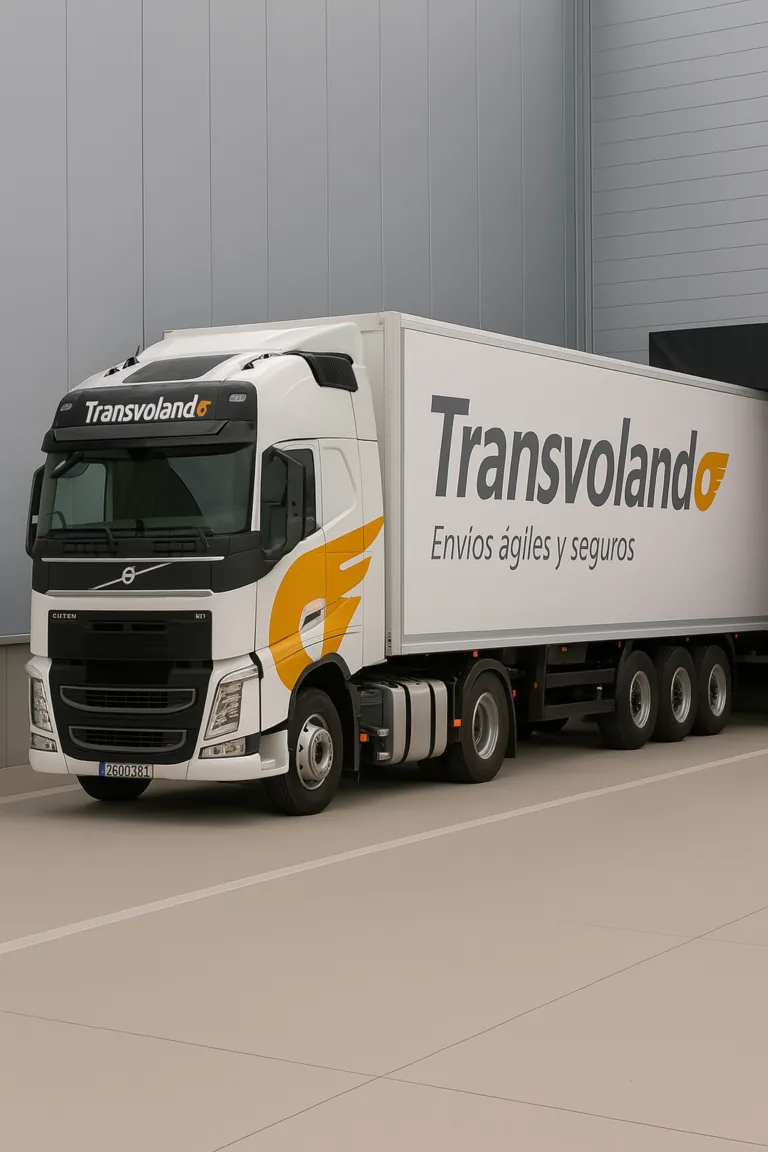
At Transvolando we work with logistics operators, manufacturers and distributors who need to combine regulatory compliance, fleet efficiency and ESG reporting. Our network of carriers has audited fleets and certified retreading policies for national and European corridors.
Request your free B2B quote in less than 3 minutes. Response in less than 24 hours.
Need part-load / groupage?
Your pallets ride with other consignments. Save the full-lorry cost without missing your delivery date.