Future implementation of tolls in Spain:
How will it affect the transport of goods by road?
The number of vehicles on Spanish roads has increased significantly in recent years, prompting the government to consider the possibility of implementing tolls on some of the country's busiest roads. In this post, we will analyze how the future implementation of tolls in Spain can affect the transport of goods by road.
Government plan for the implementation of tolls
According to the Spanish government's plan, travel is expected to be implemented on some of the country's busiest roads from 2024. The main objective of this measure is to reduce traffic on these roads and encourage the use of public transport and other alternative means of transport.
Tolls are expected to be implemented on highways that are already tolled and on some expressways. Pricing has not yet been announced, but is expected to vary depending on distance traveled and vehicle type.
Impact on freight transportation
The implementation of tolls on Spanish roads can have a significant impact on the transport of goods by road. The additional costs can result in higher prices for customers or reduced profits for the company.
Additionally, carriers must consider travel costs when scheduling routes, which may lead to detours or changes to the originally planned route. This can impact delivery times and increase fuel costs.
Transvolando positioning
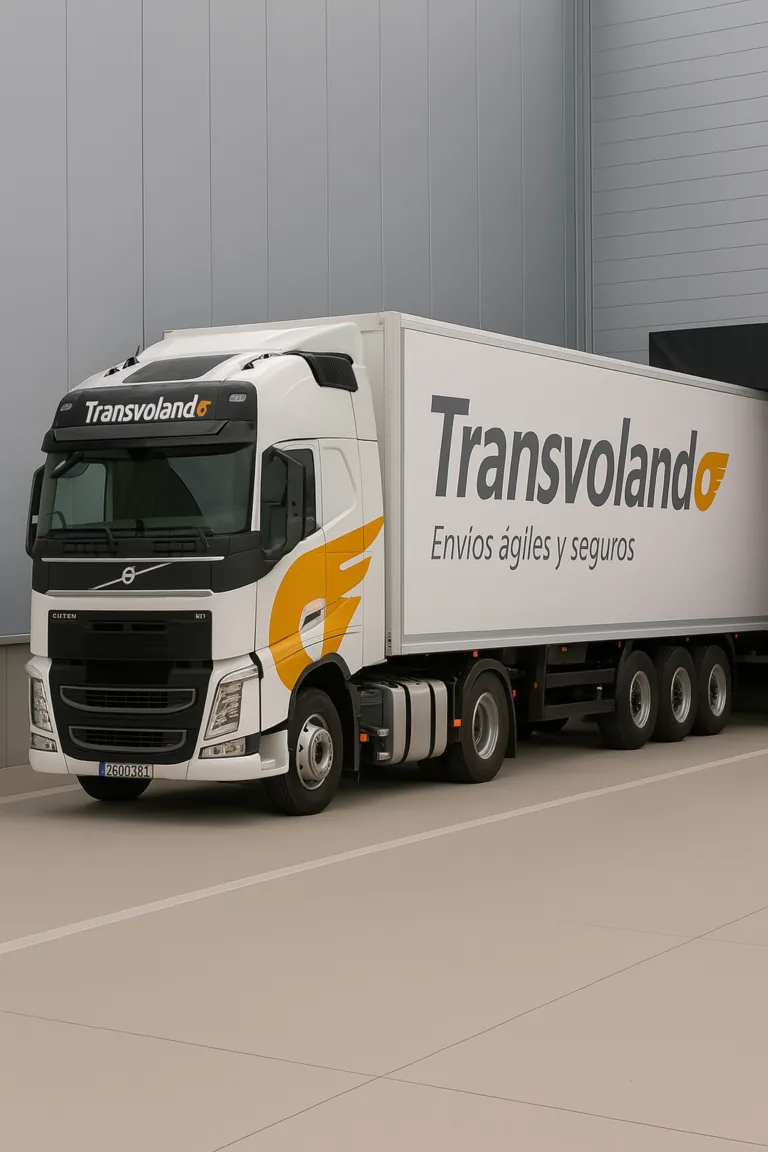
As for the Transvolando company, its focus is on planning routes that minimize travel costs and maximize transportation efficiency in terms of tolls. The company uses advanced technology to analyze travel costs on different routes and determine the most profitable and efficient route for its customers.
Transvolando is also working closely with local governments and transportation advocacy groups to ensure that trip costs are fair and reasonable for carriers and their customers.
The challenges of freight transportation in the modern era
Freight transportation is a fundamental part of global trade and the world economy in general. However, it also presents many challenges in the modern era. One of the biggest challenges is the costs associated with transporting goods.The impact of fuel costs on freight transportation
Fuel costs are one of the largest components of freight transportation. Fuel prices can fluctuate significantly and affect total transportation costs. In this sense, transport companies must look for more efficient ways to use fuel and control their costs to maintain their profitability.The importance of proper packaging in the transportation of Goods
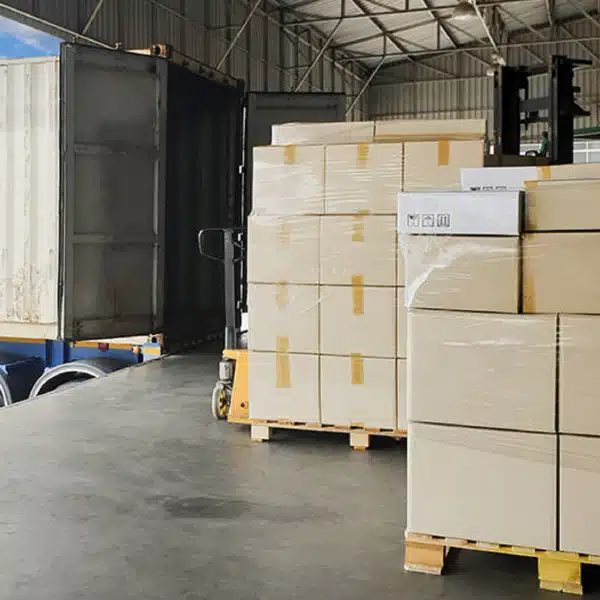
Another important factor in transporting goods is proper packaging. Incorrect or inadequate packaging can cause damage to the cargo during transport, which may result in additional costs for the transport company or the owner of the cargo. It is crucial to ensure that cargo is packed securely and properly to prevent any damage or loss.How to minimize transportation costs Goods
Labor is another important factor in the transportation of goods. The costs of drivers and staff needed to load and unload goods can be significant, especially over long distances. Transportation companies must look for ways to maximize work efficiency and minimize labor costs.The role of insurance in protecting cargo during transportation
Protecting cargo during transportation is vital for any transportation company and for cargo owners. Adequate insurance can help cover any damage or loss you prevent during the transportation of the merchandise. Transportation companies must ensure they have adequate insurance to protect themselves and their customers.The influence of taxes and customs on the transportation of goods
Transporting goods across international borders may be subject to additional costs associated with taxes and customs. Shipping companies should be aware of these additional costs and plan accordingly to avoid unpleasant surprises.The evolution of technology in the transportation of goods
Technology is rapidly changing freight transportation. From process automation to using drones for package delivery, shipping companies need to be aware of these new technologies and how they can improve their operations and reduce costs.In conclusion, The future implementation of tolls in Spain may have a significant impact on the transport of goods by road. Carriers must carefully consider travel costs when planning routes and determining freight prices. transportation services. However, despite these challenges, the Transvolando company is committed to adapting to these changes and efficient solutions to maintain profitability and satisfy the needs of its customers. This includes utilizing advanced technology and establishing partnerships with governments and transportation advocacy groups to ensure travel costs are fair and reasonable. In summary, although freight transportation faces various obstacles in the modern eraSolicita presupuesto de nuestro servicio de transporte de mercancías
In our company we successfully make numerous shipments every day, and our customers are completely grateful and satisfied with our team. If you need quality and seguridad to manage your company's shipments, Request a quote for our freight transportation service.We are waiting for you! Request your quote in less than 3 minutes at just one click.Frequently Asked Questions about Toll Cost Increases
Why are tolls rising in Spain and which motorways are most affected?
Three combined factors 2024-2026: 1) End of concessions (returned to State, new tariffs). 2) EU Eurovignette plan — mandatory toll extension to trucks above 7.5t on motorways from 2026. 3) General infrastructure inflation. Motorways with biggest projected rise: AP-7 (Catalonia-border), AP-2 (Madrid-Zaragoza), AP-9 (Galicia), R-1/R-2/R-3/R-4 (Madrid radials). Average projected rise: 8-15% on current rates.
How do tolls impact the final price of freight transport?
Madrid-Barcelona route analysis (650 km) 2026: 1) Fuel: ~€280. 2) AP-2 tolls: ~€85. 3) Driver: ~€120. 4) Vehicle + insurance: ~€95. 5) Agency margin: ~€80. Total: ~€660. Tolls represent 12-18% of total cost. 10% toll rise = +1-2% final price. For businesses with regular Madrid-Barcelona flow, alternative A-2 national road saves tolls but adds 2-3h time (not worth it for urgent loads).
Will all Spanish motorways have tolls from 2027 onwards?
The EU Eurovignette plan requires tolls (electronic, no booths) on ALL motorways for trucks above 7.5t from 2027. Spain must implement it. Estimated rate: €0.15-0.25/km for trucks (similar to Germany, France). Typical Madrid-Seville impact 540 km motorway: +€80-130 per trip. Businesses should model +6-10% transport cost 2027 from this factor. Contract clause linked to European tolls recommended.
How do I protect my logistics budget from toll rises?
Five strategies: 1) Contract toll revision clause tied to official announcements (not general CPI). 2) Route optimisation to cut toll kilometres (national alternative when time isn’t critical). 3) Double-deck or mega-trailer (more m³ per trip, fixed cost dilution). 4) Combine road and rail for long sections (rail toll cheaper). 5) Annual volume negotiation with agency (discount partially absorbs the rise). Without these measures, assume +6-10% transport cost 2026-2027.
Are there real alternatives to toll motorways for B2B transport?
Yes, three alternatives: 1) Toll-free national motorways (A-2, A-3, A-4, A-6, A-92 — slower). 2) Secondary roads (only viable for short km and small vehicle). 3) Partial toll routes (use tolls only on critical sections). Madrid-Valencia example: A-3 national 100% toll-free (4h vs 4h with toll). Madrid-Barcelona: A-2 4h versus AP-2 4.5h. If volume justifies, route optimisation can save 8-15% cost.
Need part-load / groupage?
Your pallets ride with other consignments. Save the full-lorry cost without missing your delivery date.