What is heavy transport?
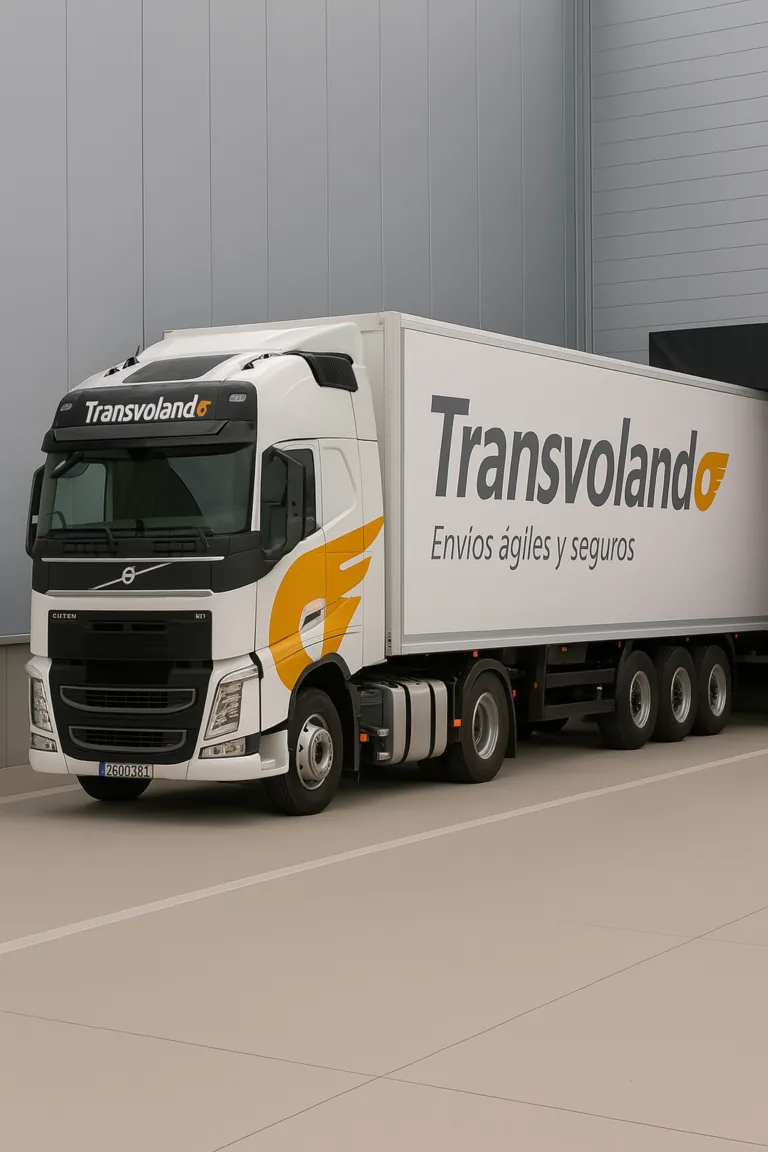
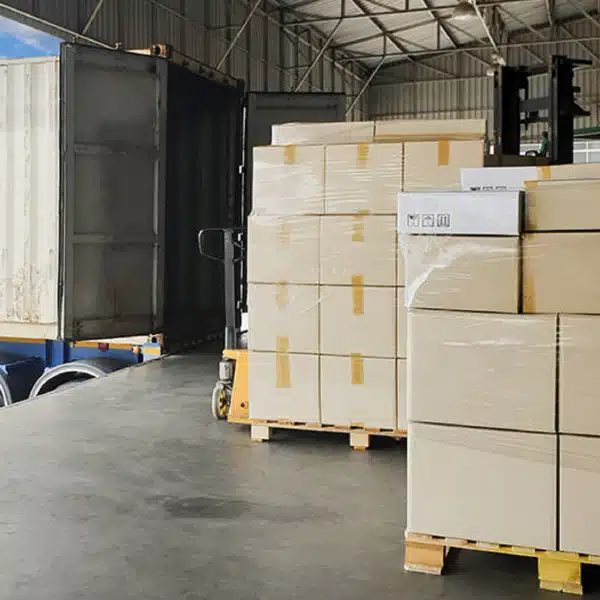
Before talking about what heavy transportation of goods or heavy loads, we must talk a little about the type of vehicles that can be used. The exact definition of these vehicles is a “car intended for the transport of goods whose maximum authorized mass exceeds 3.5 tons.” . heavy load transport, is not very common in all companies, since it requires not only the vehicle to be transported, but also implies good coordination between the client, the company and the carrier. Many times, it is necessary to transport agricultural machinery, which is why the service depends a lot on adverse conditions that cannot be completely foreseen. This is the reason why a team of experts is needed in this type of trips to avoid possible setbacks. Our purpose as a company is not to give a service. neither economic nor costs, but rather we are based on choosing a service that is adapte a las necesidades specific to each client and/or need. There are many ways to carry heavy loads, but the most common is land transport by truck. This type of transport is used to send quite heavy materials, since it is a type of transport that requires a lot of delicacy because in a single trip, a small error can cause a lot of damage to the merchandise. That is why it is needed a lot of attention and delicacy And from our facilities we try to maintain frequent contact with the carriers to be able to have exhaustive control of the merchandise, even on the road.
What type of vehicles are in heavy transport?
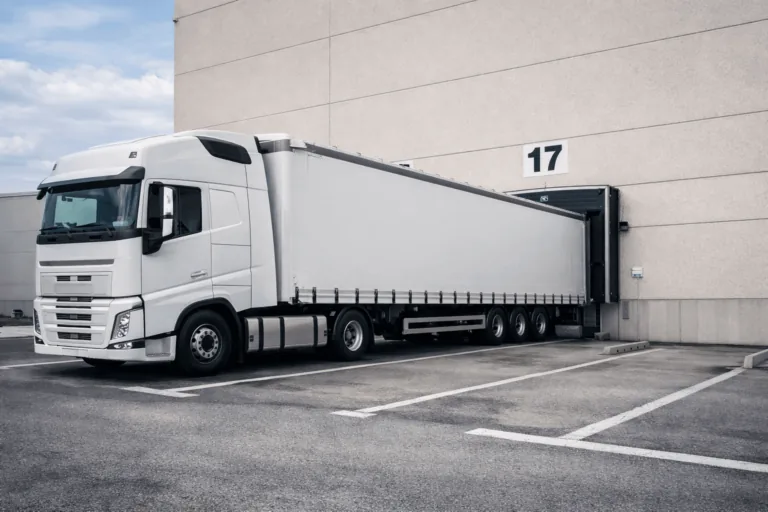
According to the vehicle classification of the General Directorate of Traffic we can resort to:- Truck: Automobile with four or more wheels designed exclusively for the transport of goods, whose cabin is not integrated into the rest of the body. It has a maximum of 9 seats, including the driver, and is considered a heavy vehicle if its Maximum Authorized Mass exceeds 3,500 kg.
- Trailer: Non-self-propelled vehicle designed to be towed by a motor vehicle.
- Semitrailer: Non-self-propelled vehicle designed to be attached to an automobile. To be considered a vehicle, its Maximum Authorized Mass must exceed 3,500 kg.
- Articulated vehicle: Known as a trailer. It is a set of vehicles made up of a motor vehicle to which a semi-trailer is attached. It is considered heavy if its Maximum Authorized Mass exceeds 3,500 kg.
What type of loads can be transported?
Different types of heavy goods transport:- Heavy machinery: Its use is to transport agricultural, driving, industrial machinery….
- Freight: Transport services for heavy goods, generally commercial, such as construction materials, etc.
- Two axles: maximum weight of 18,000 kg
- Three axles: maximum weight of 25 tons
- Four axles: cannot exceed 31 tons.
How do we plan heavy transport?
When a client books a service, we usually carry out the following steps:- Make a list of the shipments to do (in case there were more than one)
- Check location and loading and unloading directions
- Search for a suitable vehicle suitable for the transport of said merchandise
- Calculate times to avoid delivery setbacks .
- Notify the carrier with the travel conditions to have prepared
Frequently Asked Questions about Heavy Goods Transport
What counts as heavy transport and what types of cargo require a special vehicle?
Heavy transport = loads above 3.5t (legal standard). Categories: 1) HGV (high-volume goods): above 24t but divisible. 2) Special: indivisible above 40t or oversized dimensions. 3) Industrial: machinery, transformers, generators. 4) Construction: concrete, steel, prefabs. 5) Agricultural: grain, farm vehicles. Each profile requires specific vehicle (18t rigid, 40t articulated, above 44t low-loader). Verify agency capacity.
What is the maximum legal weight by vehicle configuration in Spain?
Maximum weights under RD 70/2019: 1) 2-axle rigid: 18t. 2) 3-axle rigid: 26t. 3) 5-axle articulated: 40t (44t agricultural). 4) 6-axle articulated 3+3: 44t. 5) Road train (truck + trailer): 40t. 6) European Modular System (EMS): up to 60t (authorised). For excesses: mandatory DGT complementary authorisation. Without authorisation: €1,500-15,000 fine + impound.
What special considerations does heavy transport have in Spain?
Five critical considerations: 1) Time restrictions on some motorways on weekends (July-August). 2) Major-city LEZ requires DGT label. 3) Limited safe parking for vehicles above 3.5t. 4) Professional diesel with specific rebate (DGT). 5) Specific truck toll cards (Vía-T Plus). Strict regulatory compliance avoids purposes. Your agency should manage these variables.
What insurance and permits does high-value heavy transport require?
Five mandatory covers: 1) CMR insurance extended to declared value (mandatory declaration above €50/kg). 2) Public liability for heavy vehicles above €300,000. 3) DGT complementary authorisation if exceeding legal dimensions. 4) Route Viability Study for oversized parts. 5) All-risk insurance for sensitive cargo. Insurance cost: 0.5-1.5% cargo value. For €200,000 machinery shipment: ~€1,500-3,000 extra. ROI: covers 100% of risk vs limited CMR.
How do I plan heavy transport logistics for a large industrial project?
5-phase plan for industrial project: 1) Detailed parts inventory (weight, dimensions, fragility). 2) Individual route studies (each part may have different restrictions). 3) Coordinated schedule with site (no stock build-up). 4) Permits in batch (announce 30-60 days ahead). 5) Coordination with local authorities. For wind, large industrial projects: contract specialist agency with own fleet + similar prior experience. Planning lead time: 3-6 months.
Need full-truckload (FTL) haulage?
Dedicated lorry for your cargo, 2-hour collection and the same contact throughout.