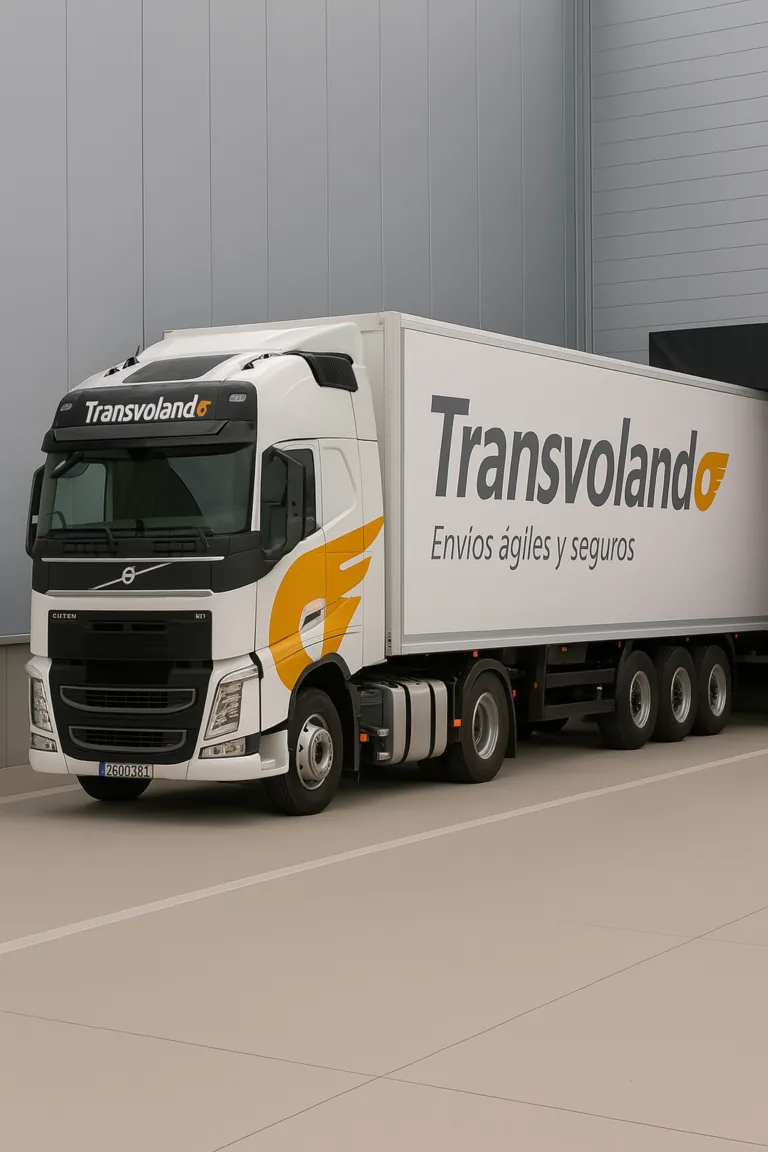
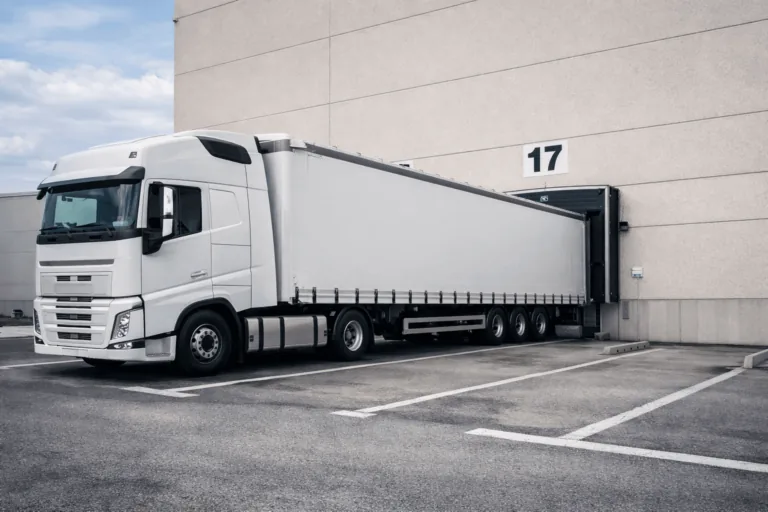
Are there enough professional transporters?
Nowadays, there is a great demand for solutions that require road transport, but the reality is that there is not a sufficient employment rate to cover these needs, which should lead us to think about the reason for this situation since the new generations do not see the attractiveness of this type of training and life.More demand thanks to foreign trade
Fortunately, the transportation of goods by road is more in demand thanks to the growth of foreign trade. Currently requesting a gran volumen of road transport shipments internationally, especially to the countries of the European Union. This allows the transport of goods in Spain to continue being a sector of great importance for our economy.We must ask ourselves why it is so difficult for Spanish companies specialized in freight transport to find professional drivers to cover the needs of the sector.Perhaps it is because the employment conditions in this sector, for both employers and employees, are not entirely favorable. This leads us to think that everyone, including Public Administrations, unions and also the clients of this sector, must join forces and achieve a consensus with which all the parties involved can obtain the desired benefit, whether economic or the provision of a service.Contact: +34 674 346 912 info@transvolando.comAddress: C/ Empleo, 28 Nave 10 28906 – Getafe (Madrid, España) How to get there?Do you need anything else…?
Many times we need the support of something more than a word.
If we can help or accompany you in this process of choosing our services, contact us and we will respond as soon as we put the brakes on!
budget
If you are here it is because you need a freight transportation service and we are sure that we can provide it! Ask us for a free quote en menos de 3 minutos a tan solo un click.Frequently Asked Questions about Current Freight Transport Situation
What is the freight transport situation in Spain 2026?
Sector data: 1) Cargo moved 1,400M tons/year (95% land). 2) Employment: 540,000 people in the sector. 3) Average company margin: 5-8% (pressured by inflation). 4) Digitalisation investment +15% annual. 5) Fleet renewal 8% annual (Euro VII approaching). Sector in transition: digitalised businesses grow, traditional lose share. For B2B buyer: leverage consolidation for better service.
What challenges is the Spanish transport sector facing currently?
Five critical challenges: 1) Sustained cost inflation (fuel, labour +5-8%/year). 2) Critical driver shortage (400,000 EU deficit by 2030). 3) Green fleet transition (Euro VII mandatory 2026). 4) Growing regulatory compliance (CSRD, Mobility Package). 5) Digital-native operator competition. Reactive businesses: 5-10% annual decline. Adapted businesses: 15-25% growth. Sector polarises.
How do inflation and the energy crisis affect transport for B2B businesses?
Measurable impact 2024-2026: 1) Transport rates +28% cumulative (CETM) vs general CPI +12%. 2) Volatile professional diesel ±8% quarterly. 3) Drivers collective agreement +18% cumulative. 4) Tolls and financing +22%. For B2B businesses: 1) Renegotiate rate with CETM clause (not CPI). 2) Optimise cubage. 3) Consolidate groupage. 4) Modal switching when possible. 5) Share capacity with non-competing neighbours. These measures absorb 30-50% of inflation.
What emerging opportunities are there in freight transport now?
Five key opportunities 2026-2030: 1) Certified sustainable logistics (CSRD mandates). 2) Premium B2B services (events, ADR, urgent). 3) Sustainable urban last mile (LEZ expansion). 4) E-commerce reverse logistics (+20% annual). 5) Vertical specialisation (pharma, automotive, energy). For B2B buyer: these niches justify 10-25% premium and provide competitive edge. For operator: specialise in one and grow sustainably.
How do I position my business to survive and grow in this context?
Five strategic actions: 1) Logistics audit every 24 months (KPIs vs benchmark). 2) Supplier diversification (1 main + 1 secondary). 3) Digitalisation investment (TMS, e-CMR) — competitive prerequisite. 4) 2030 decarbonisation plan (CSRD mandatory). 5) Logistics team training in new technologies. Businesses with anticipated strategic plan: grow 15-25%. Reactive: 5-10% decline. Huge differential.
Need full-truckload (FTL) haulage?
Dedicated lorry for your cargo, 2-hour collection and the same contact throughout.