What is considered fragile cargo?
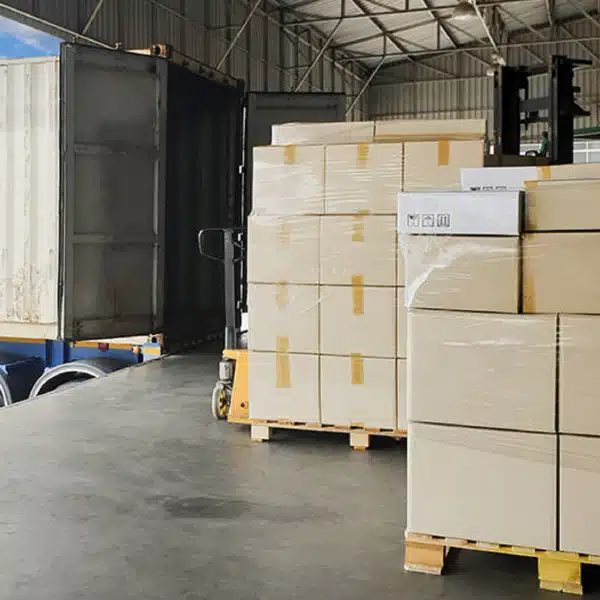
Fragile is considered to be an object that can be damaged very easily or tends to break with superficial gestures. We consider fragile items to be all those such as works of art, porcelain, crystal, glass, electronic devices, musical instruments, etc. The first step to guarantee the security of fragile merchandise is selecting appropriate packaging and containers. Opt for strong and durable materials that can protect products from impacts and vibrations during transportation. Corrugated cardboard, polyethylene foam… are popular options for packaging fragile goods due to their cushioning capacity. Once the appropriate packaging is selected, be sure to pack the fragile goods safely and correctly. Wrap each item individually with protective material, such as packing paper or bubble wrap, to prevent them from shifting within the packaging during transport. Additionally, use packaging fillers, such as foam or crumpled paper, to fill empty spaces and provide an extra layer of protection.How is this type of transport prepared?
It is crucial to clearly label packages containing fragile merchandise to inform shippers and handlers of the delicate nature of the products. Use “FRAGILE” or “HANDLE WITH CARE” warning labels in large, visible letters on all sides of the package to ensure that they are handled with due caution during shipping. transport and handling.Before shipping fragile merchandise, coordinate with the carrier to ensure it is handled properly during transportation. Provide clear instructions on how to handle and transport delicate packages and ensure the carrier is aware of the fragile nature of the cargo to avoid accidental damage. Keep constant track of fragile merchandise while it is in transit to detect any problems or potential damage during transport. Please contact the carrier for updates on shipment status and take immediate action if any issues arise to ensure safety.Solicita presupuesto de nuestro servicio de transporte de mercancías
However, our company makes numerous successful shipments every day, and our customers are completely grateful and satisfied with our team. If you need quality and seguridad to manage your company's shipments, Request a quote for our freight transportation service.We are waiting for you! Request your quote in less than 3 minutes at just one click.Frequently Asked Questions about Fragile Goods Transport
What counts as fragile cargo and what regulations apply?
Fragile cargo = sensitive to impacts, vibrations or falls. Typical categories: glass, ceramics, electronics, scientific instruments, artwork. Regulations: 1) UNE-EN 12195 cargo securing. 2) ISTA (International Safe Transit Association) for packaging tests. 3) FRAGILE marking under ISO 780. There’s no single regulation — liability falls on the shipper (correct packaging) and carrier (careful handling). Extended CMR insurance premium: 0.3-0.8% of value.
What specific packaging does fragile cargo need for national transport?
Standard protection layers: 1) Primary packaging in product contact (foam-fit, bubble wrap). 2) Absorbent secondary packaging (rigid cardboard, cork foam). 3) External tertiary packaging (wooden crate or double-wall cardboard). 4) FRAGILE marking on at least 4 sides. 5) Impact indicator (ShockWatch, temperature sensor). Typical packaging cost: 3-8% of cargo value. Comparison: a €10,000 camera packaged with €600 versus CMR claim capped at €1,500.
Is groupage or dedicated FTL better for high-value fragile cargo?
Decision by volume: 1) Load <8 palets frágiles: grupaje refrigeradodedicado para frágiles, manipulación reducida en hub. 2) carga 8-16 ftl parcial (ptl), un solo hub o ninguno. 3)>For merchandise valued >€50/kg, FTL always dedicated.
How do I choose a carrier for fragile cargo and what should I require contractually?
Five selection filters: 1) Previous experience in the sector (electronics, glass, art). 2) Drivers trained in delicate handling (UNE-EN 12195 course). 3) Vehicles with air suspension (cuts vibration by 40-60%). 4) Mandatory all-risk insurance. 5) Contractual SLA with damage penalty. Ask for references from similar clients. The professional fragile transport rate is 25-40% above standard — and worth it.
What do I do if I receive fragile cargo damaged by carrier mishandling?
Critical Procedure: 1) BEFORE signing: Inspect and open the packaging if you suspect damage. 2) If damage is apparent: note on the delivery note “DAMAGED GOODS — CLAIM RESERVATION” + detailed photo. 3) If damage is not apparent: 14 days to notify the carrier in writing. 4) For activated impact indicator (red ShockWatch): photo + incident report signed by driver. 5) CMR claim in 30 days with original commercial invoice. Keep original packaging until resolved.
Need part-load / groupage?
Your pallets ride with other consignments. Save the full-lorry cost without missing your delivery date.