Automation in warehouses and transportation
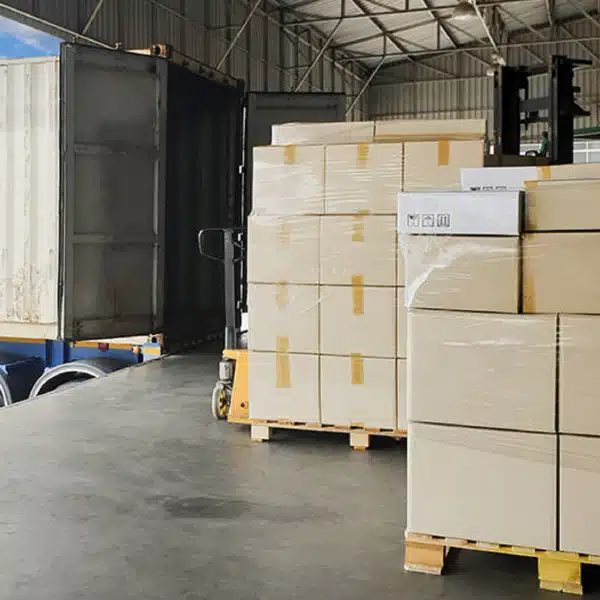
Warehouses are critical components in the supply chain, and automation is revolutionizing the way they operate. Automated storage systems, such as robotic shelving and automated picking systems, enable faster access to products and more efficient inventory management. Additionally, autonomous robots can perform goods transportation and handling tasks within the warehouse, optimizing workflows and reducing dependence on human labor.Emerging technologies in transportation
Technology is driving the evolution of freight transportation, providing smart solutions to meet industry challenges. Some of the most promising emerging technologies include:- Fleet Management Systems (FMS): They use real-time data and advanced algorithms to optimize delivery routes, reduce transit times and minimize operating costs.
- Internet of Things (IoT): The integration of sensors and devices in transport vehicles allows monitoring and tracking of loading conditions. As well as, temperature and other parameters in real time, guaranteeing the integrity of the merchandise.
- Inteligencia Artificial (IA) y Machine Learning: They analyze large volumes of data and improve planning and decision making in the supply chain. Even load capacity optimization and machine learning are revolutionizing the way operations are managed.
Solicita presupuesto de nuestro servicio de transporte de mercancías
However, our company makes numerous successful shipments every day, and our customers are completely grateful and satisfied with our team. If you need quality and seguridad to manage your company's shipments, Request a quote for our freight transportation service.We are waiting for you! Request your quote in less than 3 minutes at just one click.Frequently Asked Questions about Automation and Technology in Transport
What technologies are reshaping the freight sector in 2026?
Five production-ready technologies: 1) AI-powered TMS for route optimisation (8-15% km saving). 2) Fleet IoT (real-time telemetry, predictive maintenance). 3) e-CMR (digital consignment note) — e-CMR Convention signed by Spain in 2023. 4) Automated cross-dock with AGVs and robots. 5) Digital freight platform (dynamic cargo-vehicle matching). Businesses adopting these technologies cut costs 12-25% in 18 months.
When will autonomous trucks be viable in road freight transport?
Industrial roadmap: 1) Level 3 (conditional autonomy) on motorways: already in pilots in Germany, US — commercial 2027-2028. 2) Level 4 (driverless hub-to-hub): pilots in California, Texas — commercial Europe 2030-2032. 3) Level 5 (fully autonomous): 2035+. Spain: tests on closed circuits (Castilla-La Mancha Logistics Hub). For businesses: autonomous trucks will cut cost/km 30-40% but require legal and insurance adaptation. Don’t expect impact before 2028.
Is it worth it for an SME to invest in a TMS platform or use the agency’s one?
Decision analysis: 1) SME with <500 envíosmes: usa plataforma de la agencia (incluida en tarifa). 2) pyme con 500-2.000 tmspropio amortiza 18 meses. inversión: 30-80k€ implementación + 5-15k€ mes licencias. 3)empresa>2,000 shipments/month: own TMS essential for multi-agency and multi-mode. Key functionalities: automatic pricing, traceability, EDI with clients, KPIs dashboard. Leading brands: Trimble, Descartes, BlueJay.
What concrete benefits does real-time GPS tracking deliver to a B2B client?
Five quantifiable benefits: 1) 30-40% fewer customer service calls (client checks themselves). 2) Early incident detection (route deviation, abnormal stop). 3) Contractual compliance with end clients (SLA evidence). 4) Destination stock optimisation (precise ETA info, production adjustments). 5) Claims audit (immutable record). Cost: €5-15/month per vehicle, fast ROI. Any professional B2B agency should include it in the standard rate.
How do I prepare for mandatory digitalisation of logistics paperwork (e-CMR)?
Three steps for a shipper business: 1) Verify your agency offers e-CMR (Digital Convention signed by Spain 2023). 2) Roll out eIDAS electronic signature for your team (cost €50-200/certified signature). 3) Adapt processes: e-CMR replaces paper, requires digital validation at each milestone (loading, transit, unloading). Benefits: 1) Cuts errors 70%. 2) Speeds up claims (3-5 days vs 14-30 on paper). 3) Complies with Crea y Crece e-invoicing Law.
Need part-load / groupage?
Your pallets ride with other consignments. Save the full-lorry cost without missing your delivery date.