Transportation Compliance:
An Imperative for Transport Companies
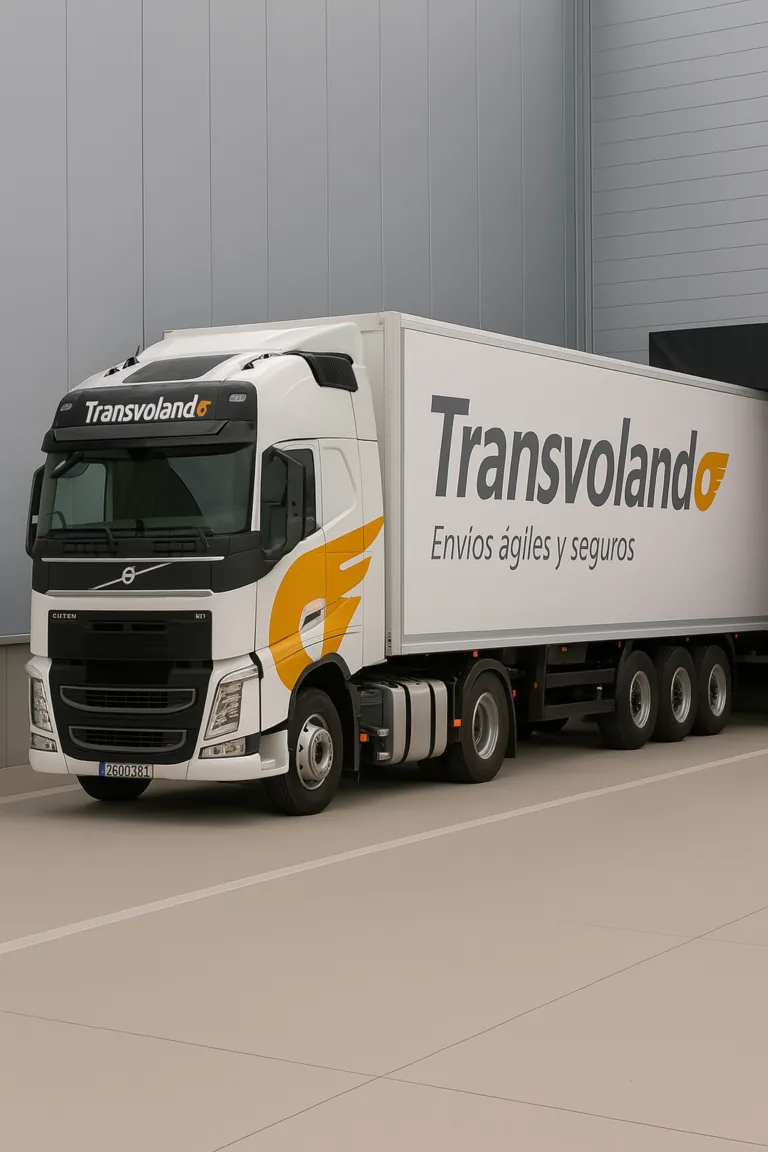
Regulations in road transport cover a wide range of aspects, from driver safety to environmental requirements. A transportation company committed to compliance not only avoids potential penalties, but also builds a strong reputation in the industry. In this sense, Transvolando stands out as an example of how adherence to regulations strengthens its position in the market.The Importance of Collaboration with a Transportation Agency
To ensure transportation compliance, close collaboration with transportation agencies and regulatory bodies is essential. Transvolando has established solid relationships with these entities, actively participating in working groups and contributing to policy formulation. This proactive approach not only ensures current compliance, but also positions the company to adapt to future regulatory changes.National Transportation and Transportation Compliance Specifications
In the field of national transportation, regulations vary and it is essential that transportation companies, especially those that handle transporte pesado, are aware of the specific regulations of each region. Transvolando, through its commitment to continuous training, ensures that its staff is fully informed about relevant national regulations.Compliance Strategies in Urgent Transport
In the context of urgent transport,, where time pressure is crucial, compliance cannot be sacrificed. Transvolando has implemented specific strategies to maintain high compliance standards while meeting demanding express transportation deadlines. This includes investments in real-time tracking technologies and training programs focused on speed without compromising security.The fundamental role of technology in transportation compliance
A transportation company must recognize that technology plays a key role in simplifying regulatory compliance. Implementing advanced fleet management systems not only improves operational efficiency but also ensures that the company is aware of regulatory changes in real time.A sustainable future through transportation compliance
In a world where transportation regulations are constantly evolving, compliance is presented as a differentiating and sustainable factor for transportation companies.Transvolando, committed to operational excellence, continues to be a leader in how embracing compliance is not only a legal obligation, but also a smart strategy for long-term success in road transportation.Solicita presupuesto de nuestro servicio de transporte de mercancías
In our company we successfully make numerous shipments every day, and our customers are completely grateful and satisfied with our team. If you need quality and seguridad to manage your company's shipments, Request a quote for our freight transportation service.We are waiting for you! Request your quote in less than 3 minutes at just one click.Frequently Asked Questions about Transport Compliance
What is compliance in freight transport?
Compliance = internal system to ensure adherence to ALL applicable regulations: 1) LOTT, LCTTM, ROTT (Spain). 2) EU regulations (Mobility Package, Tachograph, ADR). 3) Tax (Crea y Crece, e-invoicing). 4) Labour (sector agreement, rest periods). 5) Environmental (CSRD, CBAM). A compliance system avoids fines (typical €10-50K/year without one) and litigation.
What areas should a transport compliance system cover?
Six critical areas: 1) Operational documentation (CMR, licences, insurance). 2) Operational procedures (loading, unloading, routing). 3) Team training (continuing CAP). 4) Tax and labour compliance. 5) Data protection (GDPR if handling client data). 6) Sustainability (CSRD, ISO 14001). Implementation: 6-12 months with a specialist consultancy (€15-50K). Maintenance: 1-2% of annual turnover.
Why are annual external audits recommended even when not mandatory?
Four external audit benefits: 1) Risk identification before official inspection (90% of the value). 2) Continuous improvement based on sector benchmarks. 3) Credibility for B2B clients (quality signal). 4) Insurance premium reduction 5-15% with positive audit. Audit cost: €8-25K/year by size. ROI: typically 3-5x cost via avoided fines and insurance discounts. Audited businesses win tenders over non-audited.
What are the most common penalties for non-compliance?
Top 5 recurring fines (Transport Inspectorate 2024): 1) Defective tachograph: €2,000-6,000. 2) Overweight: €1,000-18,000 by percentage. 3) Missing transport licence: €4,000-18,000. 4) Improperly secured cargo: €600-3,000. 5) Driver without valid CAP: €600-3,000. For SHIPPER: hiring an unauthorised carrier: €2,000-6,000. Late payment beyond 60-day legal term: €1,000-6,000.
How does a shipper verify that its agency complies with regulations?
Periodic verification checklist (quarterly): 1) Current transportation card (verify REA online). 2) Current Treasury and Social Security Certificates. 3) Current CMR policy (minimum coverage 8.33 SDR/kg). 4) Last labor inspection without sanctions. 5) No serious incidents in the last 12 months. Your agency must provide these documents in <48h si los pides. Si rehúsa o se demora, riesgo: cambia.
Need full-truckload (FTL) haulage?
Dedicated lorry for your cargo, 2-hour collection and the same contact throughout.