Using advanced technologies in delivery times
Transportation Management System (TMS)
Implementing a modern TMS is essential. It enables efficient route planning, real-time management and load optimization, reducing downtime and improving overall transportation efficiency. Real-time visibility through GPS tracking systems allows for constant monitoring of vehicle locations. This not only improves safety, but also allows routes to be adjusted in case of unforeseen events, minimizing delays.Operational strategies for delivery times
Route optimization
Planning optimal routes is essential. Use algorithms and data analysis to avoid congestion. Selecting the shortest routes and minimizing travel times contributes significantly to speeding up deliveries.Efficient Loading and Unloading
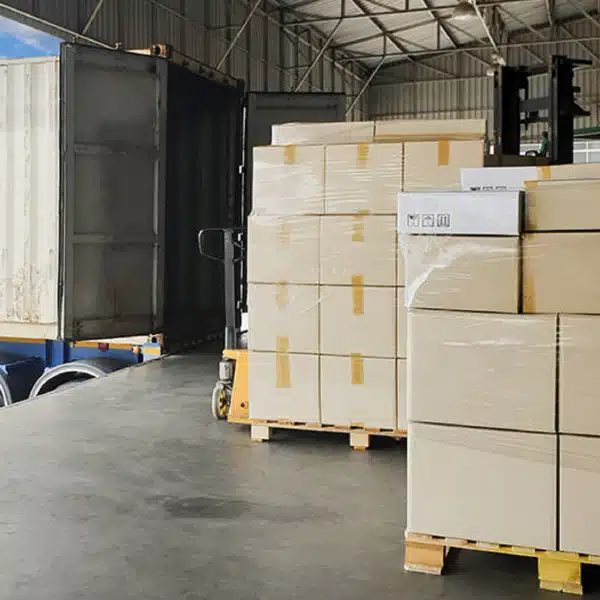
Improving loading and unloading processes is key. Training staff for quick and efficient handling of merchandise, along with the use of technologies such as loading automation, reduces downtime in warehouses and docks.Collaboration and communication with suppliers
Establishing solid communication with suppliers and logistics partners is essential to improve delivery times. Effective coordination allows for more precise planning and reduction of waiting times in the loading and unloading process.Offering transparent communication with customers is crucial. Providing real-time updates on the location of cargo and any possible delays in delivery times allows you to manage expectations and strengthen the customer-company relationship.Optimizing delivery times in the transportation of goods is not only a business strategy, it is a necessity in the current logistics landscape. However, the combination of advanced technologies, efficient operational strategies and effective communication can make the difference. By embracing innovation and adaptability, companies can not only meet, but exceed their customers' expectations, paving the way to success.Solicita presupuesto de nuestro servicio de transporte de mercancías
In our company, numerous shipments are successfully made every day, and our customers are completely grateful and satisfied with our team. If you need quality and seguridad to manage your company's shipments, Request a quote for our freight transportation service.We are waiting for you! Request your quote in less than 3 minutes at just one click.Frequently Asked Questions about Delivery Time Optimisation
How is real delivery time calculated in freight transport?
Total time = origin loading + vehicle transit + hub transit (if groupage) + destination unloading + administrative time. Madrid-Barcelona groupage example: 2h loading + 8h route + 3h hub + 2h unloading = 15h theoretical, but with driver rests reaches 24-48h real. For urgent direct FTL: 8-10h non-stop. Optimise the longest component: in groupage, the hub; in FTL, driving.
What measures cut delivery time for businesses with demanding clients?
Five levers with measurable effect: 1) Strict booked appointments at origin and destination (-30% loading/unloading time). 2) Double driver on long routes (-30% transit). 3) Direct FTL instead of groupage (-50% on critical routes). 4) Own hub near client area (fast last mile). 5) Cross-docking instead of warehousing (24h vs 72h). Combined, a B2B business can move from average 48h to 18-24h on its main routes.
Is it worth paying premium for 24h delivery versus standard 48-72h?
ROI analysis: 1) 24h premium versus 48h standard: typical surcharge 25-50%. 2) Worth it when: (a) client pays premium for fast service, (b) production stop costs more than the premium, (c) perishable cargo. 3) NOT worth it: when it’s just a client expectation without economic value. For B2B industrial, calculate the hidden cost of delay (line stop, client lost) versus the premium. Break-even ROI: when 1h delay cost exceeds 5-8% of shipment value.
What digital tools improve delivery time planning?
Five tools with proven ROI: 1) TMS with route optimisation engine (saves 8-15% km). 2) Real-time ETA platform for end client. 3) Slot booking system with warehouses. 4) Predictive analytics to anticipate seasonal congestion. 5) Driver mobile app with dynamic navigation. Investment: €30-100K implementation + €5-15K/month licences. Cuts lead times 15-25% and improves OTIF compliance to over 95%.
What KPIs should I track to continuously improve delivery times?
Cinco KPIs imprescindibles: 1) OTIF (On-Time In-Full): objetivo >95%. 2) Plazo medio por ruta (alerta si crece >10% mes). 3) Tiempo de espera en muelle (objetivo <30 min). 4) % entregas fallidas primer intento (objetivo <2%). 5) Tiempo de respuesta a incidencia (<2h). Mide mensualmente con dashboard. Empresas con KPIs sistemáticos mejoran tiempo de entrega 20-30% en 12 meses.
Need part-load / groupage?
Your pallets ride with other consignments. Save the full-lorry cost without missing your delivery date.